The Take That Started It All
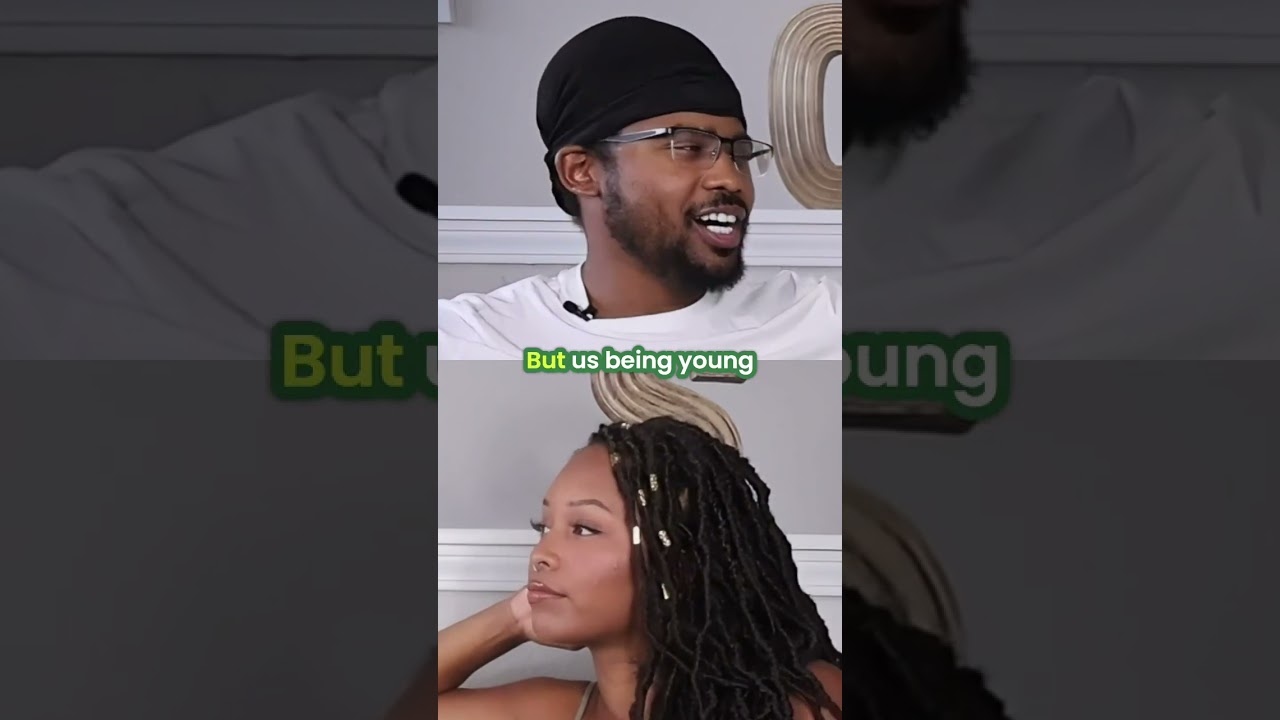
So someone from our community dropped a video that is essentially one long, passionate opinion piece about relationships, age, and the particular chaos that comes with being young and emotionally unfinished. The storyteller — who tells us upfront they're 30 — isn't recounting a specific betrayal or a dramatic blow-up. Instead, they're serving a broader theory: that younger people are fundamentally less equipped to handle the messiness that comes with keeping exes in their orbit, and that this instability is basically baked into being young. It's a vibe check on an entire generation's relationship habits, and we are here for the conversation even if we have some notes.
The Core Argument: Youth = Instability = Chaos
The storyteller's thesis is pretty clear once you untangle it. Younger people, in their view, aren't locked in enough — emotionally, socially, or in terms of identity — to safely navigate the kind of casual mixed-gender friendships that older, more settled people can manage without drama. They make a distinction: it's not that older folks are more virtuous, it's that they've played these games already and the stakes feel different. There's a certain settling that happens after a certain age, and before that point, everyone's still auditioning for roles in each other's lives. The storyteller is specifically calling out the third-person situation — the new partner who walks into a relationship where their person is still tight with an ex. That setup, they argue, is almost always going to end with somebody getting hurt, because one of those three people isn't taking the situation as seriously as the other two think they are.
“Younger people are less stable, especially when it comes to relationships. They're not locked in enough to be like playing these type of games.”
— the storyteller
The Ex-as-Friend Problem
This is where the storyteller zeroes in, and it's the most relatable part of the whole thing. The idea that someone should think twice before dating a person who is still actively close with an ex isn't new — but the framing here is interesting. It's not about jealousy or insecurity, it's about the math. Three people, different levels of investment, different definitions of what 'just friends' means. The storyteller's point is that younger people in particular haven't built the kind of internal stability that would let them be genuinely platonic with someone they used to date. The feelings aren't necessarily still romantic — it's more that the lines haven't hardened yet. And when lines are soft, someone always ends up crossing one.
“Somebody's going to lose ultimately, and there's always that third person that shouldn't even be dating a girl who's still friends with their ex.”
— the storyteller
Where We Push Back (A Little)
Look, we get the spirit of what's being said here, and there's real truth in it. But we'd argue this isn't purely an age thing — plenty of 45-year-olds are out here keeping exes on speed dial and calling it 'maturity.' What the storyteller is really describing is emotional readiness and self-awareness, which can absolutely correlate with age but doesn't have to. Some people are 22 and completely locked in. Some people are 55 and still playing the same games they played in college. The age framing is a useful shorthand, but it lets a lot of grown adults off the hook for behavior that is very much a choice, not a life stage. That said — the core warning about walking into a relationship where someone's ex is basically a permanent fixture? That's solid advice at any age.
How it unfolded
- Opening claimThe storyteller, who identifies as 30, argues that serious relationships and active opposite-sex friendships don't mix well, especially for younger people.
- Age comparisonThey contrast younger people's instability with older people's ability to maintain friendships without the same level of relational chaos.
- The stability argumentThe core point lands: younger people aren't emotionally locked in enough to safely navigate the games that come with keeping exes close.
- The third-person warningThe storyteller flags the specific danger of dating someone who is still close with an ex — someone in that trio always loses.
- Open questionThe storyteller throws it to the audience, asking for thoughts and inviting community debate on the whole premise.
Our take
The ex-as-friend boundary issue this storyteller describes is genuinely one of those situations where somebody always ends up holding the short end — and we've watched it play out enough times to recognize the pattern immediately. We went back and forth on whether this is really a generational thing, and honestly? We don't think it is. Framing it as "young people just move differently" is a convenient exit ramp that lets messy adults of every age avoid accountability. We know people in their forties running the exact same playbook — keeping an ex close, calling it maturity, watching the current partner quietly unravel. What this actually comes down to is self-knowledge and honesty: do you know what you want, and are you being straight with everyone in the room? That's the real question, regardless of whether you're 23 or 43. The age framing lets too many people off the hook. But the ex-who-won't-stay-ex situation? Timeless red flag, full stop.
Keeping an ex close isn't automatically a problem — but walking into that situation without clear eyes is how somebody always ends up as the odd one out. Know what you're signing up for before you sign.
Questions people ask
Is it okay to stay friends with your ex when you're in a new relationship?
It depends on the boundaries and honesty involved, but the storyteller's point is that younger people often haven't developed the emotional stability to keep those lines clear — making it a common source of relationship drama.
Why do young relationships feel more dramatic and unstable?
The argument here is that younger people are still forming their identities and emotional habits, which makes it harder to maintain clear boundaries and serious commitment at the same time.
Should you date someone who is still friends with their ex?
The storyteller's take is a cautious no — or at least, proceed with full awareness, because in that three-person dynamic, someone usually ends up getting hurt.