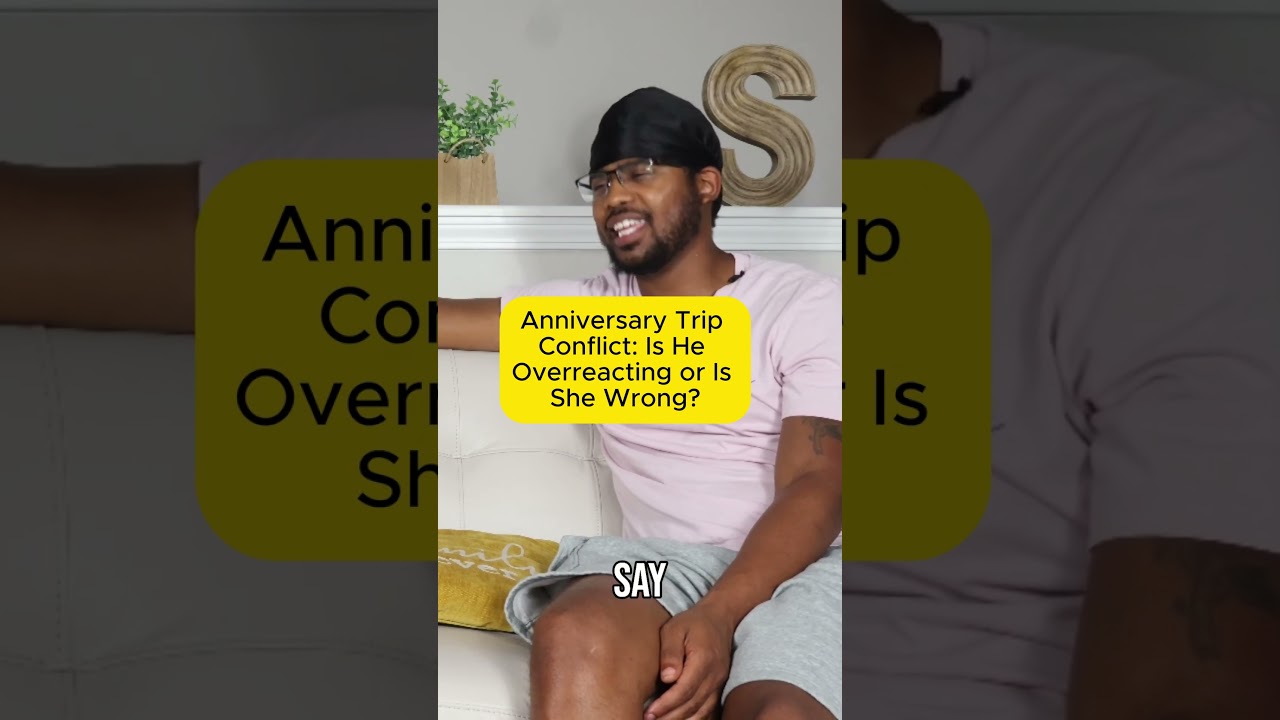
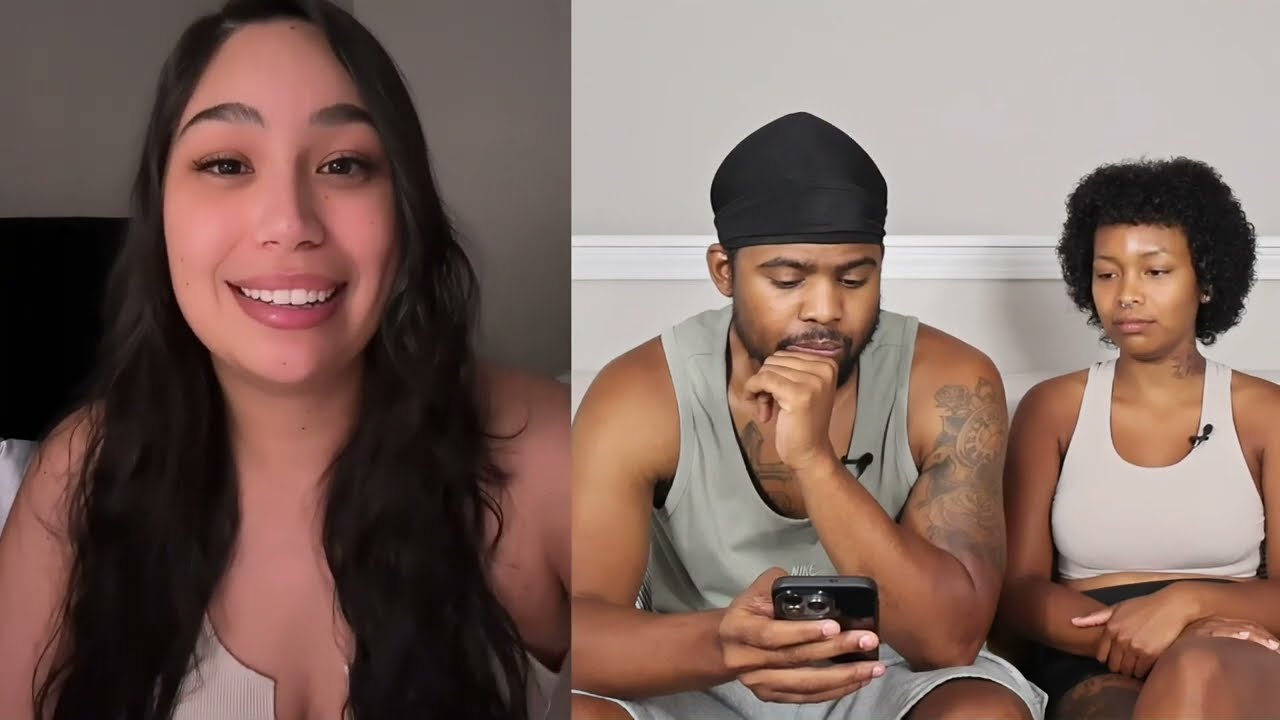
The Anniversary Assumption That Wasn't So Crazy
Every couple has their unspoken rituals — the things you just do together without needing a calendar invite. For this husband, spending their anniversary together was one of those things. Not a grand gesture, not a destination wedding vow renewal. Just the basic understanding that the day you got married is a day you spend with your spouse. Seems reasonable, right? He thought so too. Which is why he was completely blindsided when his wife dropped the news a few days before their anniversary that she had already — fully, non-refundably, done-deal — booked a girls trip for that exact week.
The Booking Heard 'Round the Marriage
Here's what makes this story sting a little extra: she didn't float the idea, she didn't ask, she didn't even give him a heads up while she was planning it. She announced it after the fact, bags practically packed. Her reasoning? It was the only window that worked for her whole friend group and she didn't want to miss out. Which, okay — we get it, coordinating adult friendships is genuinely hard. But the issue isn't that she wanted to go on a trip. The issue is that she made a unilateral decision about a week that already belonged to both of them, and then acted surprised when he had feelings about it. When he brought up the anniversary, her response was essentially a shrug — they could just celebrate some other time. Cool, cool, cool.
“Well, we can celebrate another time.”
— the wife, as recounted by the storyteller
She Called Him Dramatic. He Called Her Bluff.
Rather than acknowledging that she maybe could have looped him in at literally any point during the planning process, the wife pivoted to offense — accusing him of being dramatic and trying to guilt her. And look, we've seen that move before. It's a classic deflection: make the person with the hurt feelings defend the validity of their feelings instead of addressing what caused them. But this husband had a clean, simple argument ready: if the roles were reversed, there would be no question that she'd be upset. And honestly? That's the whole case right there. The standard you apply to yourself has to match the standard you apply to your partner. That's just the baseline of a fair relationship.
“If the roles were reversed, it would be a big problem.”
— the storyteller
So Is He Overreacting? Here's Our Read.
No. Full stop. The frustration here isn't about the girls trip itself — it's about being treated like an afterthought in your own marriage. She had time to coordinate schedules with multiple friends, book travel, and finalize plans, but somehow never had five minutes to say, 'Hey, this overlaps with our anniversary, is that okay?' That's not a scheduling conflict, that's a communication failure. And the fact that she responded to his hurt with dismissal instead of even a little bit of 'you're right, I should have said something' tells us more about the dynamic here than the trip itself does. He's not being dramatic. He's asking to be considered. Those are very different things.
“She said it's the only time all her friends could go and she didn't want to miss out.”
— the storyteller, explaining his wife's reasoning
How it unfolded
- The assumptionThe husband expects to spend their upcoming anniversary together, as they have every year.
- The announcementA few days before the anniversary, his wife reveals she has already booked a girls trip for that same week.
- The dismissalWhen he raises the anniversary conflict, she tells him they can just celebrate another time.
- The accusationShe escalates by calling him dramatic and accusing him of trying to guilt her.
- The verdictHe argues — and the storyteller agrees — that he is not overreacting, and that she would have been upset if the roles were reversed.
Our take
The booking itself isn't even the real problem here — it's everything that came after. Wanting a girls trip is completely valid, full stop. But making that decision without a single conversation, then responding to his hurt with "we can celebrate another time" and a side of "you're being dramatic"? That's a pattern, not a mistake. Anniversaries carry weight because they're a yearly reminder that you're still actively choosing each other — brushing that off as a flexible placeholder sends a message, whether she meant it to or not. And the guilt-tripping him for having feelings about it is honestly the part we keep coming back to. That's not a communication fumble, that's a deflection. He's not asking her to cancel the trip. He's asking to be seen. The bare minimum here is an honest acknowledgment that she skipped a conversation she should have had — and he deserves that without having to justify why it mattered to him.
Wanting to be included in decisions that affect your relationship isn't dramatic — it's the minimum. If you wouldn't accept the behavior from your partner, don't dish it out yourself.
Questions people ask
Is it wrong to plan a trip during your wedding anniversary without telling your spouse?
Most relationship experts would say the issue isn't the trip itself but the lack of communication — making a unilateral decision about a shared occasion without consulting your partner is generally considered a breach of basic consideration in a marriage.
What does it mean when your partner calls you dramatic for having feelings?
Dismissing a partner's emotions as 'dramatic' is a form of deflection that shifts focus away from the behavior that caused hurt and onto the person expressing it — it tends to shut down productive conversation rather than resolve the conflict.
How do you handle a disagreement about anniversary plans?
Open communication before plans are finalized is key — if one partner wants to do something that affects shared time, raising it as a conversation rather than an announcement gives both people a chance to weigh in and feel respected.