When 'He's Just Talking' Becomes the Most Dangerous Lie You Tell Yourself
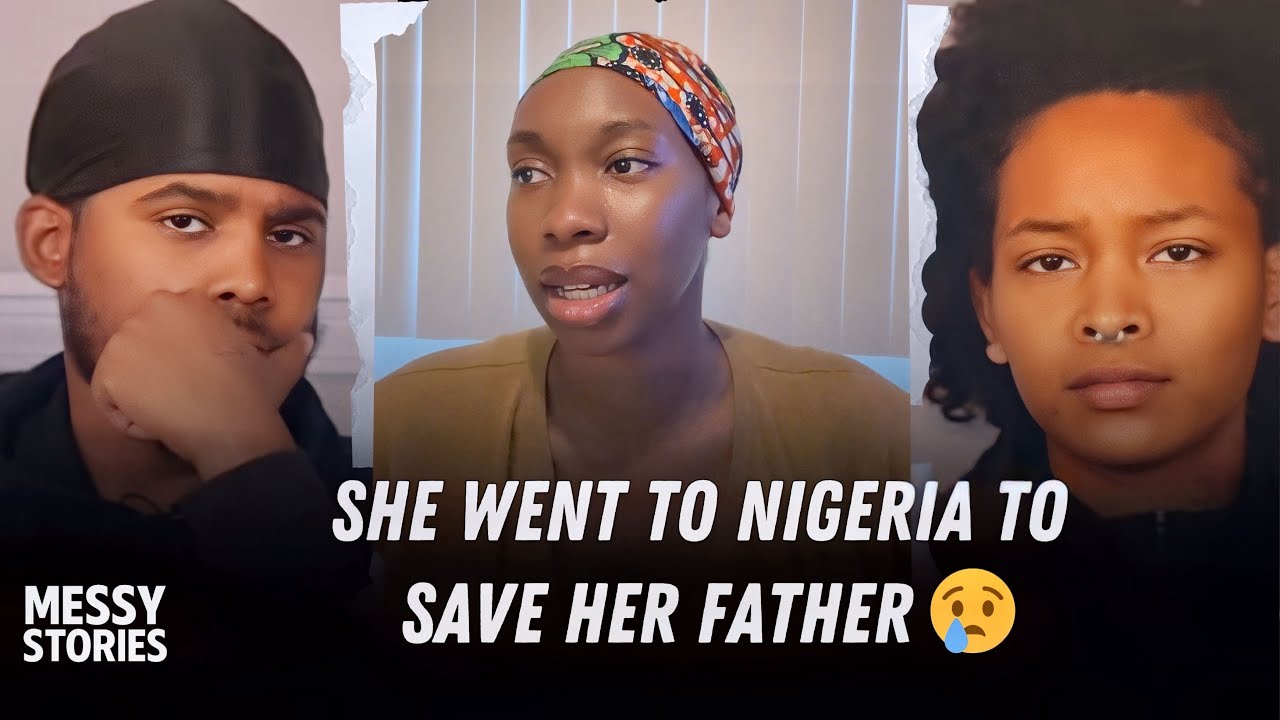
There's a sentence we've heard too many times in stories like this one, and it goes something like: 'We didn't think he was serious.' It's not stupidity. It's not even denial, exactly. It's something more human and more heartbreaking than either of those things — it's the brain's desperate refusal to believe that someone you grew up with, someone who sat at your family's table, is actually capable of the worst. Maya's story cracks that refusal wide open. Her cousin issued threats. Real ones. The kind that should have set off every alarm in the room. And the family heard them — they just didn't act. Then he killed her father. That sentence doesn't get easier to read no matter how many times you process it. The warning was there. The window to intervene was there. And somehow, tragically, neither was enough.
The Weight of a Warning Nobody Took Seriously
What makes Maya's account so gutting isn't just the violence itself — it's the timeline. The threats came first. That means there was a moment, maybe more than one, where the outcome could have been different. Where a phone call, a confrontation, a decision to remove someone from the situation might have changed everything. We don't know the exact nature of the warnings her cousin gave, or what specifically kept the family from escalating their response. But we do know this: families are complicated ecosystems. There's always someone who says 'don't make it a big deal.' There's always a history between people that makes it easier to explain away bad behavior than to confront it. Maybe the cousin had made noise before and nothing happened. Maybe there was love there that made it hard to imagine the worst. Maybe people were scared of what taking it seriously would mean — for the family, for their relationships, for the cousin himself. None of that makes the outcome okay. But it does make it painfully, recognizably human. Maya sharing this story publicly is an act of courage, because she's essentially holding up a mirror to a moment of collective failure and saying: look at this. Don't look away.
Red Flags That Demand a Different Response
We talk about red flags a lot on this site, usually in the context of relationships — the partner who isolates you, the one who monitors your phone, the one who 'jokes' about things that aren't jokes. But family violence has its own set of warning signs that don't always get the same cultural airtime, and Maya's story is a brutal case study in what happens when those signs get minimized. Explicit threats of violence — even ones that feel like venting or posturing — are never just background noise. Escalating conflict within a family unit, especially when one person seems to be fixating on another, is not something to wait out. And perhaps most critically: when someone tells you who they are in a moment of rage, believe them. The hard truth is that intervening in family violence is genuinely terrifying. It can mean legal involvement, it can mean blowback, it can mean being the person who 'caused drama.' But the alternative — the one Maya is living — is so much heavier than any of that discomfort. If you are ever in a situation where someone in your family is making threats against another family member, that is the moment to make noise. Loudly. To anyone who will listen.
Maya's Story Is Still Unfolding — And So Is the Fallout
Maya shares her account through TikTok, which means she's chosen to bring this grief and this truth into public space — a decision that takes something most of us don't have when we're in the middle of pain. She's not just processing privately; she's testifying. And that matters. Because stories like this one have a way of reaching the exact person who needs to hear them — the person who right now is sitting with a threat someone made and trying to decide whether to take it seriously. The emotional aftermath she describes is what you'd expect and also what nothing can prepare you for: the complicated feelings about her cousin, the weight of the 'what ifs,' the grief of losing her father under circumstances that feel preventable. That last part — preventable — is its own kind of wound on top of a wound. We're watching this story with the full weight of knowing the ending she already lives with, even as the broader conversation about what happened and why continues to unfold.
Our take
Curtis and I had to sit with this one for a minute before we could even talk about it. Because the thing that gets us isn't just the tragedy — it's the warning. He said what he was going to do. And that is the part that will haunt Maya's family forever, and honestly, it should haunt all of us a little. We live in this culture that tells us not to be dramatic, not to escalate, not to assume the worst about people we love. And sometimes that instinct protects relationships. But sometimes — and Maya's story is proof — it costs everything. If someone in your life is making threats, we are begging you: be dramatic. Escalate. Assume the worst. You can apologize for overreacting later. You cannot undo what happens if you're right and you stayed quiet. Maya, we see you. Thank you for telling this story even when it must cost you every single time.
Threats are not venting. They are information — and the most important thing you can do with that information is act on it before it's too late.