From One Nightmare Into Another
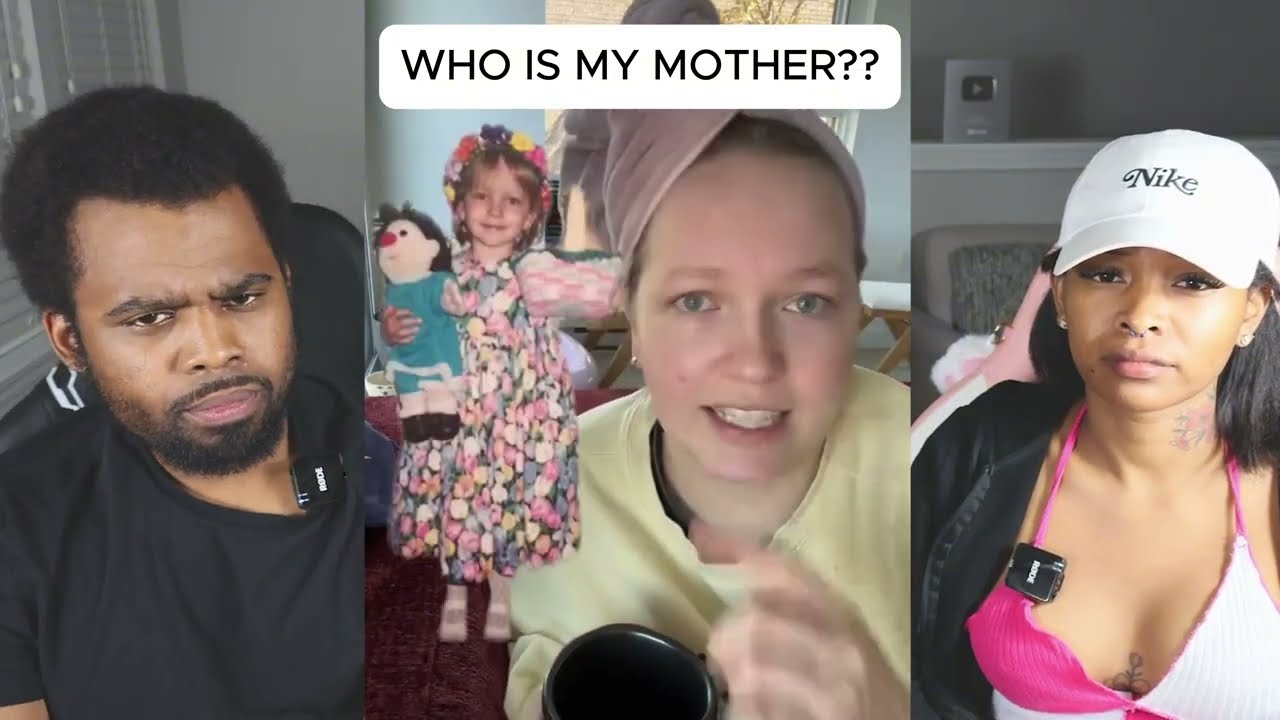
The storyteller's life started in chaos before she could even form a memory. Born to a mother who worked the streets and struggled with addiction, she was sent home from the hospital despite every red flag imaginable. Within two weeks, her birth mother was trying to sell her for cash. One of the numbers she dialed happened to be Children's Aid, which swooped in and placed the baby in foster care. She was young, blonde, blue-eyed, and quickly deemed highly adoptable. A white family saw a perfect physical match and moved fast. The vetting process was almost laughably thin — a one-sentence case note and a trip to Alaska were apparently enough to seal the deal. The moment the adoption paperwork was finalized, everything changed.
The Farm Was Where It Got Truly Dark
The early suburban years were already brutal — naked punishments in front of the whole family laughing, days locked in her room without food or water, memorizing the creaks in the floorboards just to sneak a single sip from the water cooler without making a gurgle. Her adoptive sister played ringleader, planting nooses and smeared makeup to frame her, while her mother spun a narrative to teachers and therapists that their adopted daughter was dangerous and mentally ill. She was coached to tell psychiatrists she heard voices and threatened to kill her siblings. The payoff? A shopping trip to the Lizzie McGuire section. That manipulation got her loaded up on handfuls of prescription pills daily — groggy, malnourished, and barely functional. Then came the farm. Isolated in the middle of nowhere, she was woken at 3 or 4 a.m. to clean a house full of horses, dogs, and cats before standing outside in the rain waiting for a school bus because she wasn't allowed back inside. The abuse escalated into murder attempts — a locked car on a train track, teenage boys coached to push her down the stairs, an overdose attempt. Her adoptive mother also handed her off to those same teenage boys for nights and sometimes multiple days at a time. She was not yet 12 years old.
“It all happened before I was 12 years old.”
— the storyteller, opening her series
Four People Who Could Have Saved Her — And Didn't
She told four people. Four. Her grandmother knew everything and kept sending her back, then continued socializing with the abusive family right up to the present day, occasionally mailing guilt-money checks. A classmate's police officer father listened, took notes, put her in his cop car — and drove her straight back home, never following up. A beloved teacher saw the bruises, heard the words 'I'm scared to go home,' and still let her board the bus that evening without making a single call. The fourth letdown happened inside a psychiatric institution where she was wrongfully placed — a facility now facing a class action lawsuit — where one psychiatrist actually told her she didn't belong there, then screamed at her to perform the symptoms her mother had invented. Every door she tried to open slammed shut.
“You don't have to live in this fear for the rest of your life.”
— the storyteller, addressing fellow survivors
Abandoned at 12, Free at Last — Sort Of
At age 12, she was dropped off at school and not picked up. Just like that, the adoptive family was done with her. She cycled through foster care — one placement with carcasses hanging outside and troll dolls on the ceiling — before landing with a Christian family she genuinely chose. That mother eventually passed away from an incurable illness. By the end of high school, the storyteller was essentially alone in the world, no family attached, heading to university with a chunk of savings and a head full of unprocessed trauma. She crashed a car, discovered cocaine at a campus party, and by her own admission went off the rails at 17. She eventually dropped out, left for Ecuador, then Spain, and kept moving. The series closes its original arc with her rebranding the whole thing: she's done talking about her mother. Now she's starting a new chapter called the Bad Decisions Club — the story of what complex trauma does to a person once they're finally free.
“I'm 29 years old. I visited 18 countries. I have a full career. I'm married.”
— the storyteller, describing her life today
She's 29 Now and She Built a Life Anyway
Here's the part that wrecked us in the best way. She's 29. She has visited 18 countries. She has a career, a marriage, and a home with a mountain view. She still struggles — PTSD rewires your brain chemistry, and she's honest about that — but she is not the story her adoptive mother tried to write for her. She tells all of this without breaking down, which she explains herself: trauma damages the amygdala, and her brain learned to protect her by creating emotional distance from the memories. She shares it anyway, specifically so other survivors can see there is an other side.
How it unfolded
- Born into chaosShe is born to an addicted mother who attempts to sell her within two weeks; Children's Aid intervenes and places her in foster care.
- Adoption finalizedA family adopts her after minimal vetting; abuse begins immediately after paperwork is signed.
- Psychiatric manipulationHer adoptive mother coaches her to lie to therapists, resulting in heavy daily medication that leaves her barely functional.
- The farm yearsMoved to an isolated farm, she endures murder attempts, forced labor, starvation, and is handed off to teenage boys for days at a time.
- Four failed rescuesShe tells her grandmother, a police officer, a teacher, and a psychiatrist what is happening — all four fail to act.
- Abandoned at 12Her adoptive family leaves her at school and does not return; she enters foster care and eventually chooses a new family.
- Life rebuiltNow 29, she has traveled to 18 countries, built a career, married, and is publicly sharing her story to help other survivors.
Our take
We have covered a lot of dark stories on this site, but this one sat with us differently. It wasn't just the abuse — it was the architecture of it. The way her adoptive mother built an entire false identity around this child, got institutions to co-sign it, and used the very systems meant to protect kids as weapons against her. And then the four adults. That police officer driving her back home while she was screaming in the backseat? We cannot. The grandmother sending guilt checks to this day while still having dinner with the people who tried to murder her granddaughter? Curtis said something we're not going to repeat here but we both agreed with it completely. What keeps us from spiraling is her. She is funny, self-aware, a little chaotic in the best way, and she is still here telling the whole messy truth. That matters more than we can say.
Systems fail children every single day, and this story is a precise, documented account of exactly how that happens. The fact that she made it out and built something beautiful is a miracle — but it should never have required a miracle.
Questions people ask
What happens to children when adoptive parents abuse them?
In cases like this one, abused adoptive children often cycle back into foster care. The storyteller was placed in a new foster home at age 12 after being abandoned by her adoptive family, and eventually chose a second family to live with before aging out of the system.
Can adoptive parents really get away with abuse for years without detection?
This story shows exactly how: by coaching the child to corroborate false psychiatric claims, physically humiliating the child in ways that appear self-inflicted, and cultivating a public image as saintly caregivers. Multiple mandated reporters encountered this child and still did not intervene.
What is complex PTSD and how does it affect adult survivors of childhood abuse?
Complex PTSD results from prolonged repeated trauma rather than a single event. The storyteller describes memory gaps, emotional detachment when recounting her abuse, difficulty forming adult relationships, and a period of reckless behavior in her late teens — all recognized symptoms of complex trauma.