A Ring That Should Have Meant Forever
There are moments in life that are supposed to be pure. An engagement is one of them — the kind of news you screenshot, call your best friend about, maybe cry a little over in the best possible way. For Andrea's mother, that moment came. She said yes. She got the ring. And then, just three days later, she was gone.
We have covered a lot on this channel. Cheating, betrayal, family implosions, secrets that unravel over decades. But when Andrea's story came across our feed, we both went quiet. Because this isn't a story about a relationship falling apart. This is a story about a woman who was killed — allegedly by the same man who had just asked her to spend her life with him. Three days. That's not even enough time for the engagement excitement to settle. That's not enough time to call all your relatives with the news. And somehow, in that razor-thin window between one of life's greatest joys and unimaginable violence, everything changed forever.
The Red Flags That Were Already There
Here's the thing about red flags — and we say this with so much compassion, not judgment — they almost never look like red flags in the moment. They look like a bad day, a misunderstanding, a personality quirk you've learned to work around. It's only in retrospect, when you're piecing together a timeline you never wanted to have to build, that the pattern becomes undeniable.
Andrea describes troubling warning signs that existed before her mother's death. We won't speculate beyond what she shared, but the fact that she can identify them now — that they existed and were visible — is exactly the kind of detail that makes this story so painful and so important. Because someone in Andrea's mother's life may have seen something. Maybe even Andrea's mother herself felt something was off. And still, the outcome was this.
This is why we talk about these stories. Not to sensationalize, not to point fingers at victims, but because understanding how danger escalates — how a relationship can look like love from the outside while something darker is building underneath — might be the thing that helps someone else recognize it in time. The engagement itself, in hindsight, may have been less of a romantic milestone and more of a moment of control. A way to lock someone in. That reframing is devastating, and Andrea has had to live inside it.
A Haunting Phone Call and a System Full of Gaps
What Andrea describes next is the kind of thing that burrows into you and doesn't leave. After her mother's death, she received a phone call from the man accused of killing her. Let that sit for a second. The person at the center of all of this, reaching out. We don't know exactly what was said — Andrea shared her account and we're not here to put words in anyone's mouth — but the audacity of that call, the sheer nerve of it, tells you something about the kind of person we're dealing with.
And then there's the police response, which Andrea also addresses directly. She describes inconsistencies — places where the official account of what happened doesn't line up with what she knows, what she witnessed, what the evidence suggests. This is where the story stops being just about one family's grief and becomes something bigger. When the people who are supposed to investigate, document, and pursue justice either miss things or don't push hard enough, the family is left holding the weight of a case that should never have been theirs to carry alone.
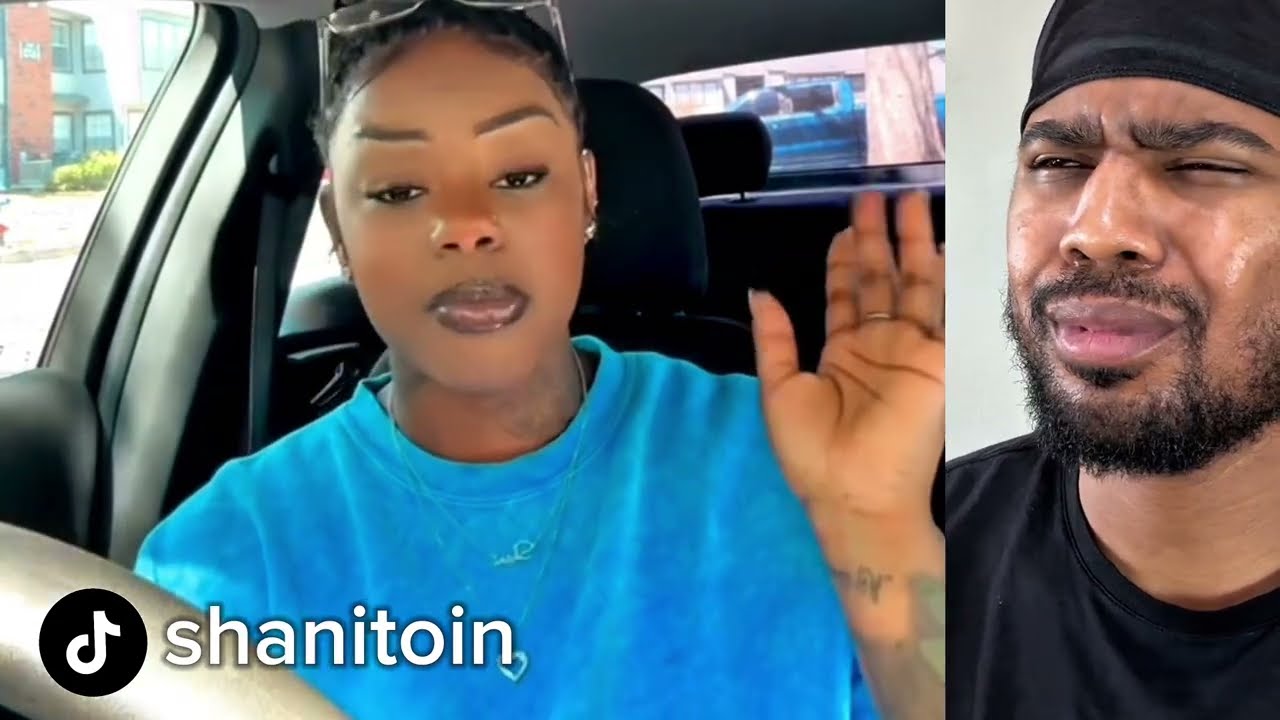
We've seen this pattern before in stories like Andrea's — not just in true crime content, but in real conversations with real people. The systemic gaps aren't abstract. They show up as unanswered questions at a kitchen table. They show up as a daughter who had to go on TikTok to make sure her mother's story was heard. Andrea is doing the work the system should have done. And that is both incredibly brave and incredibly unfair.
Why Andrea Is Telling This Story — And Why We're Listening
Andrea didn't have to share any of this publicly. Grief is private. Loss is exhausting. And yet she showed up, put her face and her voice to this story, and said: my mother deserves to be known. Not just as a victim, but as a woman who was loved, who was on the verge of what she believed was a new chapter, and who was taken before any of it could unfold.
That kind of courage deserves to be met with the same energy. So we're not just recapping this as content — we're sitting with it. We're asking the questions Andrea is asking. What evidence contradicted the initial narrative? What should have been investigated more thoroughly? And what does it mean when a family has to fight this hard just to have their version of events taken seriously?
We don't have the final answers, because this story is still unfolding. What we do know is that Andrea's mother's life mattered, the warning signs were real, and the gaps in the system's response are worth every uncomfortable conversation they spark.
Our take
Curtis and I talked about this one for a long time after we finished reviewing it. There's a particular kind of horror in the detail that it was three days — because it means the proposal and the violence aren't separate chapters. They're the same sentence. And that reframe, once you see it, you can't unsee it. The engagement wasn't necessarily a beginning. It may have been a trap. What Andrea is doing by telling this story publicly takes real guts, and we want to make sure her mother's name isn't reduced to a statistic or a thumbnail. She was a real woman. She had a daughter who loved her. She said yes to someone she trusted. The least we can do is listen to Andrea tell it — and then ask the harder questions about why the systems designed to protect women like her mother seem to keep coming up short.
An engagement ring should never be the last good thing that happens to you — and when it is, someone failed along the way, long before the worst moment arrived. Andrea's story is a reminder that love and danger can wear the same face, and that fighting for justice after loss is one of the hardest things a person can do.