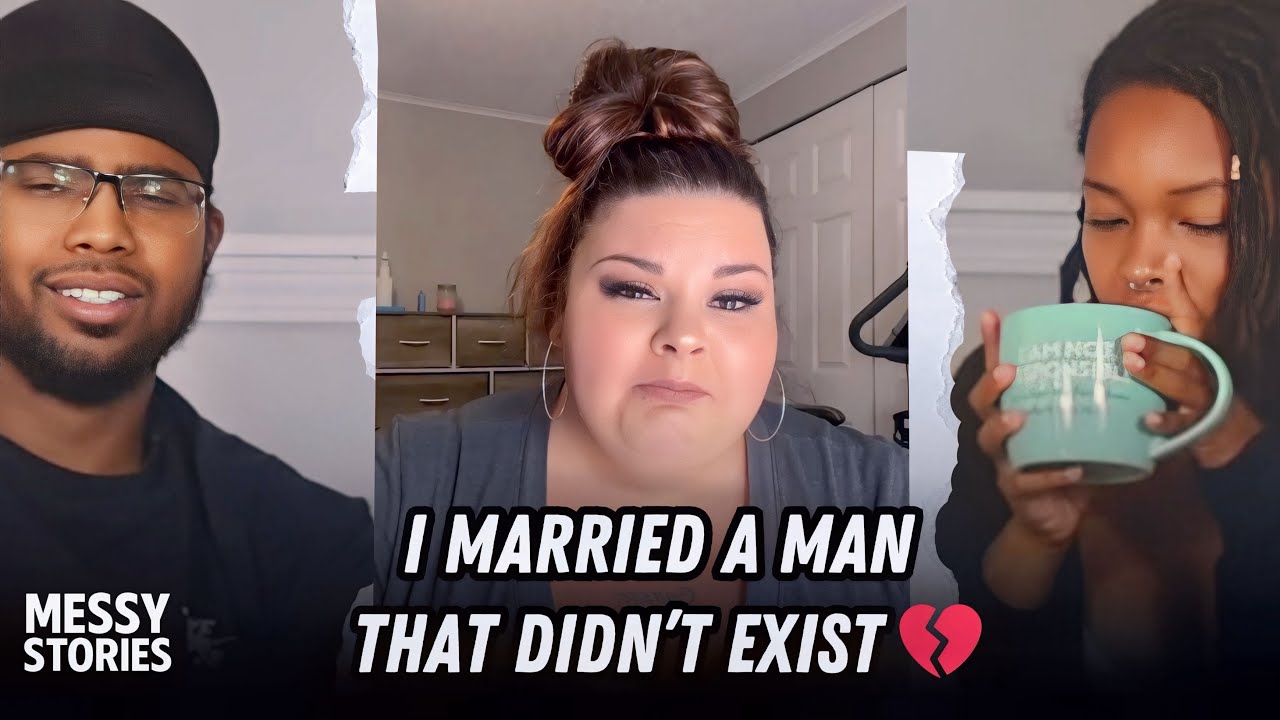
The Man Who Seemed Too Good to Be True (Because He Was)
We say this with full awareness of how cliché it sounds: if someone seems perfectly calibrated to be exactly what you need, that is worth a second look. Not because good people don't exist, but because con artists study their targets. They listen first. They build a character. And Chasity's guy? He built a whole cinematic universe.
He came in presenting himself as a widowed father — emotionally available, already tested by grief, stable enough to have a home and kids and a real life. For anyone who's dated in the modern wasteland of half-commitments and situationships, a man like that sounds like an answered prayer. He wasn't flinching from responsibility. He wasn't running from depth. He had a story that made him sympathetic, layered, and safe.
Except none of it was real. The widower backstory? Invented. The children he claimed to be raising? They exist — but they're being raised by someone else entirely. The house he presented as his own? Not his property. He was essentially running a full-time character, and Chasity was his audience of one.
Love Bombing Is a Feature, Not a Bug — It's How the Trap Works
Here's what makes Chasity's story so important to sit with: she didn't fall for someone who was obviously shady. She fell for someone who was deliberately, skillfully overwhelming. That's love bombing, and it is so much more sophisticated than people give it credit for.
Love bombing isn't just 'he was really nice at first.' It's an orchestrated campaign of intensity designed to fast-track emotional attachment before your critical thinking can catch up. It's the constant contact, the future-talk that starts embarrassingly early, the way he makes you feel like the most chosen person on the planet. Your nervous system reads all of that as safety. Your brain starts associating him with warmth and certainty. And by the time the cracks appear — if they appear — you're already in deep.
What makes Chasity's situation even more calculated is the staging. Fake FaceTimes. Manufactured family moments. This wasn't just exaggerating his good qualities or hiding a bad habit. This was active, ongoing production design. He was maintaining a set. That level of sustained deception requires planning, and it tells us something chilling: this was not impulsive behavior. He knew exactly what he was doing, and he kept doing it all the way through the wedding.
The Signs That Are Easy to Miss When You're Inside It
We want to be really careful here, because the last thing Chasity's story deserves is a 'well, she should have known' read. She shouldn't have had to. He worked hard to make sure she didn't know. But for the rest of us watching from the outside, there are patterns worth naming — not to assign blame, but because awareness is genuinely protective.
The first flag is a backstory that's emotionally compelling but conveniently unverifiable. A deceased spouse, estranged family, a past that explains why he's so uniquely ready for love right now — these narratives can be real, and often are. But they're also incredibly useful for a manipulator because they generate sympathy and discourage scrutiny. You don't want to be the person who demands a dead wife's death certificate.
The second flag is the pace. Love bombing accelerates timelines on purpose. If you feel like you've known someone forever after three months, that feeling was engineered. Genuine connection can move fast too — but it doesn't usually come with a side of staged FaceTime calls and borrowed houses.
The third flag is access. Or rather, the management of it. Did you ever show up unannounced? Did you meet people from his life organically, or only on his schedule? Controllers and fabricators are meticulous about controlling the frame. Every 'family moment' Chasity experienced was staged — which means every real, spontaneous glimpse was carefully prevented.
How Deep Does It Actually Go?
That's the question hanging over Chasity's entire story, and it's the one she's now in the process of answering publicly. She married this man. She stood in front of people — maybe family, maybe friends — and committed to a person who was, in the most literal sense, fictional. The emotional weight of that realization is not something you just shake off.
There's grief in discovering a lie this large, and it's a complicated grief because you're mourning someone who never existed. You're not just losing a relationship — you're losing your own sense of reality. Every memory gets contaminated. Every tender moment gets re-examined. Was any of it real? Was he ever not performing? That kind of psychological unraveling takes time, and it takes guts to talk about publicly the way Chasity is doing.
What finally cracked the illusion open for her is exactly what makes this story one we can't look away from. The unraveling is coming — and when it does, it's going to be a lot.
Our take
Curtis and I have covered a lot of messy stories, but there's a specific kind of horror in this one that keeps us talking about it. Because it's not a story about someone ignoring obvious red flags — it's a story about someone who was systematically prevented from seeing them. He didn't just lie. He built infrastructure around the lie. Fake calls. Staged moments. A borrowed life presented as his own. That's not a guy who got caught exaggerating his job title. That is a calculated, sustained con. And Chasity is out here telling it with her whole chest, which takes real courage. The people who've lived through something this disorienting often go quiet out of shame — shame that was never theirs to carry. We're glad she's talking. We're listening. And honestly? We're a little shook.
When someone's story is perfectly designed to make you trust them, that design is worth questioning — love should feel like discovery, not a production. Chasity's story is a reminder that the most dangerous lies aren't the sloppy ones; they're the ones someone rehearsed.