When Speaking Up Feels Like Stepping on a Landmine
There's a specific kind of dread that comes with watching someone tell a story like this. You know the type — the one where you keep waiting for the part where someone in authority steps in and does the right thing, and that part never comes. That's exactly the energy this story carries from the jump.
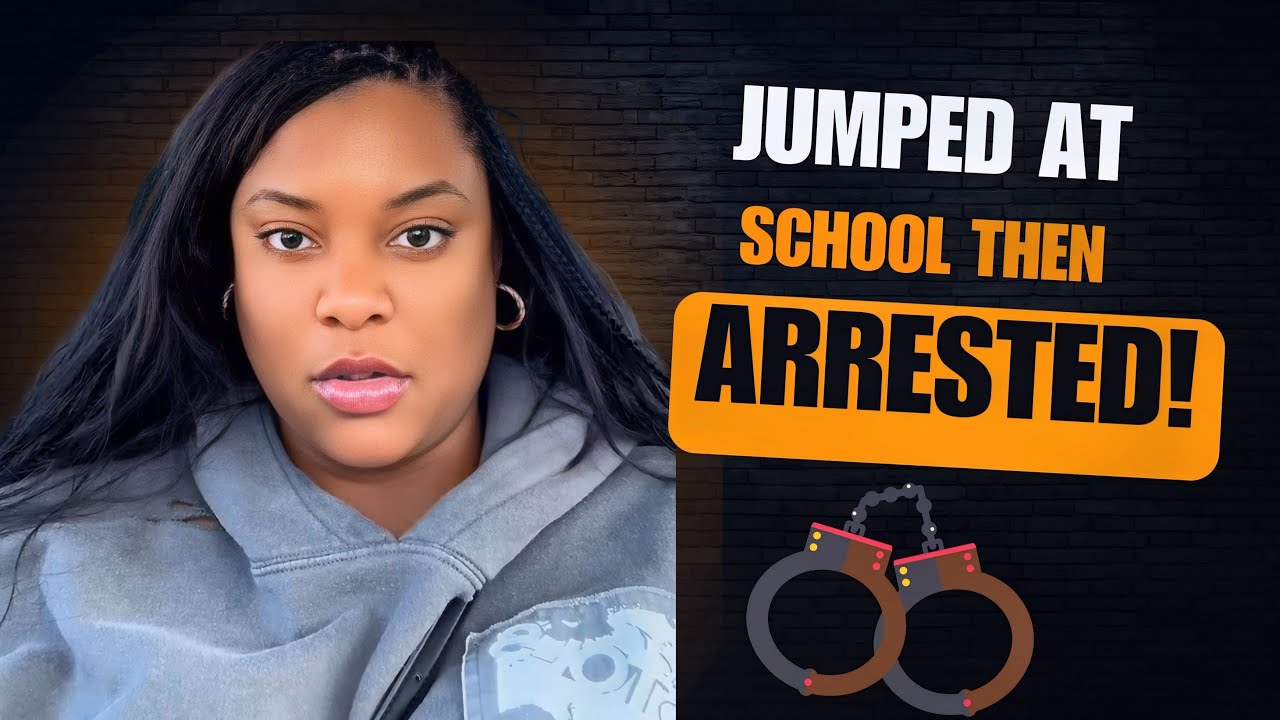
According to the woman at the center of this account, everything started when she decided to raise concerns about disturbing behavior connected to people with power and influence. That's the moment she identifies as the turning point — not a dramatic confrontation, not a viral post, just the act of speaking up. And if her account holds, that single decision set off a chain reaction that swallowed years of her life.
We want to be clear: we're not here to declare her a hero or a liar. What we ARE here to do is sit with the full weight of what she's describing, because the details she lays out — alleged silencing attempts, arrests, sustained harassment — are not small claims. These are the kinds of allegations that, if true, represent a serious institutional failure. And if they're not fully accurate, they still tell us something real about how alone a person can feel when they believe no one is listening.
The Pattern She Describes — And Why It Sounds Familiar
Here's what makes this story stick in your chest even when your brain is asking questions: the pattern she describes is not new. The idea that speaking out against powerful people can result in retaliation — legal, social, professional — is documented. It happens. Whistleblowers get buried. Complainants get discredited. Systems that are supposed to protect people sometimes get weaponized against them instead. That's real, and we can't just wave it away because the details get complicated.
What she alleges follows a recognizable playbook: you raise a concern, suddenly you're the problem. You push harder, suddenly there are consequences that feel disproportionate. You look for help, and the institutions you turn to seem more interested in protecting the people you're pointing at. It's a story as old as power itself.
But here's where Curtis and Honade had to pump the brakes a little — because recognizing a pattern isn't the same as confirming every detail. As her account unfolds, there are moments where the narrative gets harder to track. Gaps appear. Some pieces don't connect as cleanly as others. That doesn't automatically mean she's wrong, but it does mean we owe it to everyone — including her — to hold the story carefully rather than just receive it wholesale. Credibility isn't cruelty. Asking questions is part of taking someone seriously.
The Hardest Question: What Do You Do When the System Is the Problem?
Let's say, for argument's sake, that everything she describes is accurate. What then? Because one of the most gutting parts of stories like this is the implication that there was no clean exit, no obvious door to knock on. She's not describing a single bad actor she could report — she's describing a situation where the reporting mechanisms themselves allegedly became part of the problem.
That's an incredibly isolating place to be. And it raises something we think about a lot on this platform: what does accountability actually look like when power is diffuse and institutional? When the people who are supposed to investigate are connected to the people being investigated? When every move you make seems to generate a counter-move?
We've seen this dynamic play out in stories across the cultural landscape — the person who comes forward and finds themselves more scrutinized than the behavior they reported. It doesn't always mean the system is corrupt. Sometimes it means the system is clumsy, or slow, or just deeply human in its tendency to protect the familiar over the vulnerable. But sometimes it does mean something darker. And sitting with that uncertainty is genuinely uncomfortable.
What specific evidence she presents to back these claims — that's the question hanging over everything. The story is still unfolding, and we're watching.
Our take
Okay, MessyFam, here's where we landed after sitting with this one: we believe something happened to this woman. The emotional texture of her account, the way she describes the escalation, the sheer exhaustion of someone who has been carrying this for years — that part reads as real. What we can't do is fill in the gaps she leaves, and there are gaps. Curtis kept coming back to the consistency question — when details shift or blur, it doesn't mean someone is lying, but it does mean you have to hold the whole thing a little looser. Honade's read was more instinctive: powerful people protecting each other at the expense of someone with less leverage is not a conspiracy theory, it's Tuesday. The truth probably lives somewhere in the tension between those two positions. We're not calling it either way — but we are calling it worth watching.
Whether every detail checks out or not, the fear she describes — of being targeted, dismissed, and left without recourse — is something too many people recognize. That alone is worth the conversation.