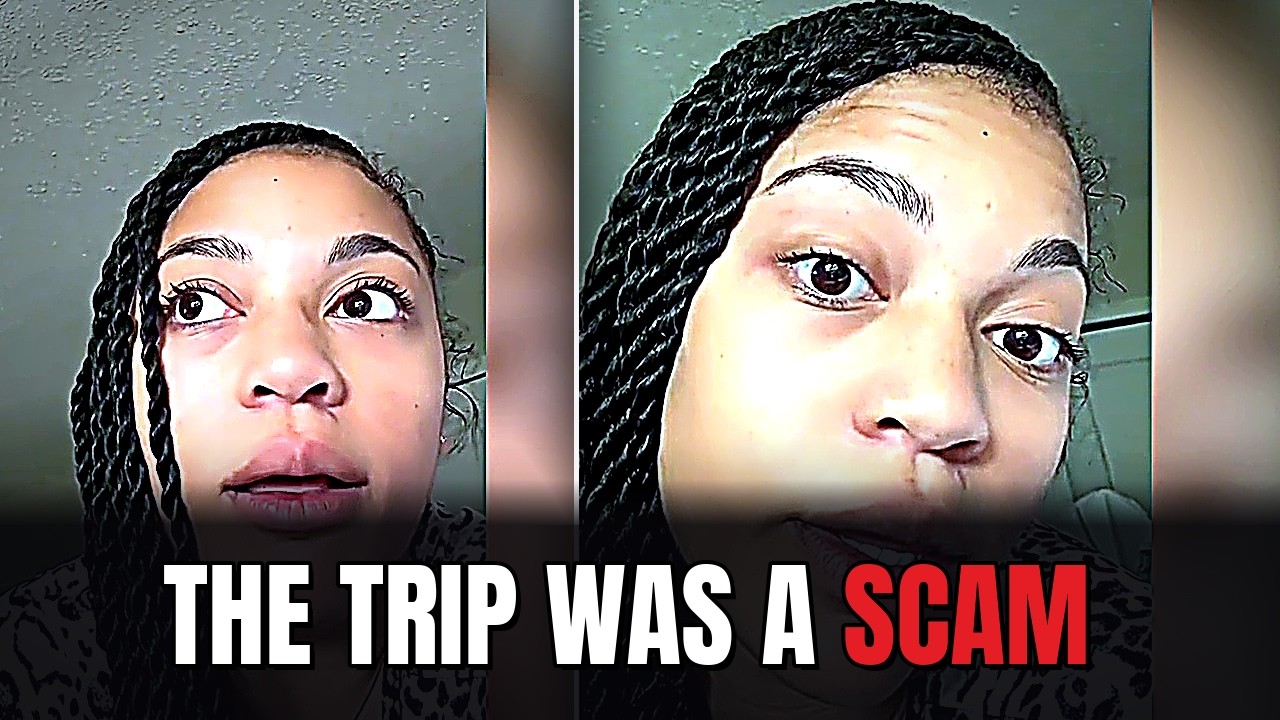
A Night That Was Supposed To Be Simple
We have all been there — a friend's birthday, a night out, drinks flowing, good music, good vibes. The kind of night where the plan is low-stakes and the expectation is just fun. That's exactly where this story starts. She was out in Huntsville, Alabama, celebrating her friend's birthday. Nothing about the setup sounds alarming. It sounds like a Tuesday-night-turned-Friday-energy kind of evening that most of us have had at least once. And that's exactly what makes what happened next so deeply unsettling.
At some point during the night, things started to slow down. Not in the dreamy, we're-having-such-a-good-time way. In the wrong way. The kind of slow where your body is telling you something your brain hasn't caught up to yet. And then — nothing. A blank. The next thing she knew, she was waking up inside her own car, with someone else behind the wheel, with absolutely no memory of how she got there. No memory of leaving. No memory of who helped her out. Just — gap. And then a stranger driving her car.
The Story Kept Changing, And That Should Have Been The First Red Flag
Here's where it gets messy in the most sinister way. When you can't remember what happened to you, you are completely dependent on other people to fill in the blanks. And the people around her? They filled those blanks in very different ways.
First she was told her friend had left her. Then she was told her friend had set her up. Then she was told her friend was the reason everything went sideways. Three different narratives, all pointing at the same person — her friend, the birthday girl, the one she came out to celebrate.
We want to pause here because this pattern is important. When someone's story keeps shifting, when the finger keeps pointing at the most convenient target, when the narrative is being handed to you rather than discovered — that is a manipulation tactic. Whether it's intentional or not, being fed a rotating cast of explanations while you're vulnerable and confused is how someone controls what you believe happened. And when you have no memory of your own to anchor to, you are heartbreakingly easy to mislead.
The instinct in that moment — especially if you already have complicated feelings about your friend, or if the friendship has any existing tension — is to believe it. Because it fits. Because someone is telling you it fits. We've seen this play out in so many stories we've covered, and it never stops being a gut punch.
The Real Truth Was Worse Than The Blame
Here's the part that made us put our phones down for a second. The friend didn't do it. The friend wasn't the villain of this story. The actual truth — whatever fully unfolded that night — was far more disturbing than a friend betrayal, and it nearly changed her life in a permanent, devastating way.
We don't take that language lightly. 'Almost changed her life forever' is not dramatic filler. That is the language of a night where something genuinely dangerous happened to a woman who was just out celebrating someone she cared about.
What this story is really about — underneath the friendship drama, underneath the shifting narratives — is how quickly a normal night can become a crisis, and how women in particular are forced to piece together what happened to them using secondhand accounts from people who may or may not have their best interests at heart. The scariest part isn't just the incident itself. It's the aftermath. It's waking up disoriented and having to trust someone else's version of your own night. It's not knowing who in that room was actually looking out for you and who was covering their tracks.
And then — on top of surviving whatever actually happened — she had to sort through the lie that her friend was responsible. That's a secondary wound. Imagine nearly losing everything and then being handed the wrong person to blame for it.
What This Means For Every Single One Of Us Who Goes Out
We're not here to lecture anyone about going out and having fun — that's not our style and it's not the point. But this story is a genuine reminder that the danger in these situations almost never announces itself. It doesn't look like a horror movie. It looks like a birthday party. It looks like people you know. It looks like a normal Wednesday night.
The things worth taking from this: have a person in your circle who is your designated 'I will not leave without you' friend — not just a designated driver, but someone whose job it is to physically account for you. Establish a code word. Share your location. And if you ever wake up with a gap in your memory and people around you are offering wildly different explanations for what happened, slow down before you decide who to believe. The loudest story isn't always the true one.
Her story is still unfolding publicly, and the full picture of that night is something she's been brave enough to share on her own terms. What we know is enough to make us deeply grateful she made it through — and deeply angry that she had to.
Our take
Curtis and I talked about this one for a long time after we watched it. The thing that got us wasn't even the scary incident — it was the way the narrative was being constructed around her while she was still vulnerable. Someone, somewhere in that night, let the wrong story take hold. And for a woman trying to figure out what happened to her own body, that is a particular kind of cruelty. Whether it was intentional misdirection or just people panicking and pointing fingers, the result was the same: she almost lost her friend on top of everything else she nearly lost. The friendship fallout angle of this story is almost a distraction from the bigger, darker thing that happened. We're glad she's here to tell it. We're glad she found out the truth. And we are sending her every bit of good energy we have.
Sometimes the most dangerous part of a scary night isn't the night itself — it's who gets to control the story after. Trust slowly, verify everything, and never underestimate how quickly a celebration can turn into something you have to survive.