A Decade of Silence Is Not a Tantrum
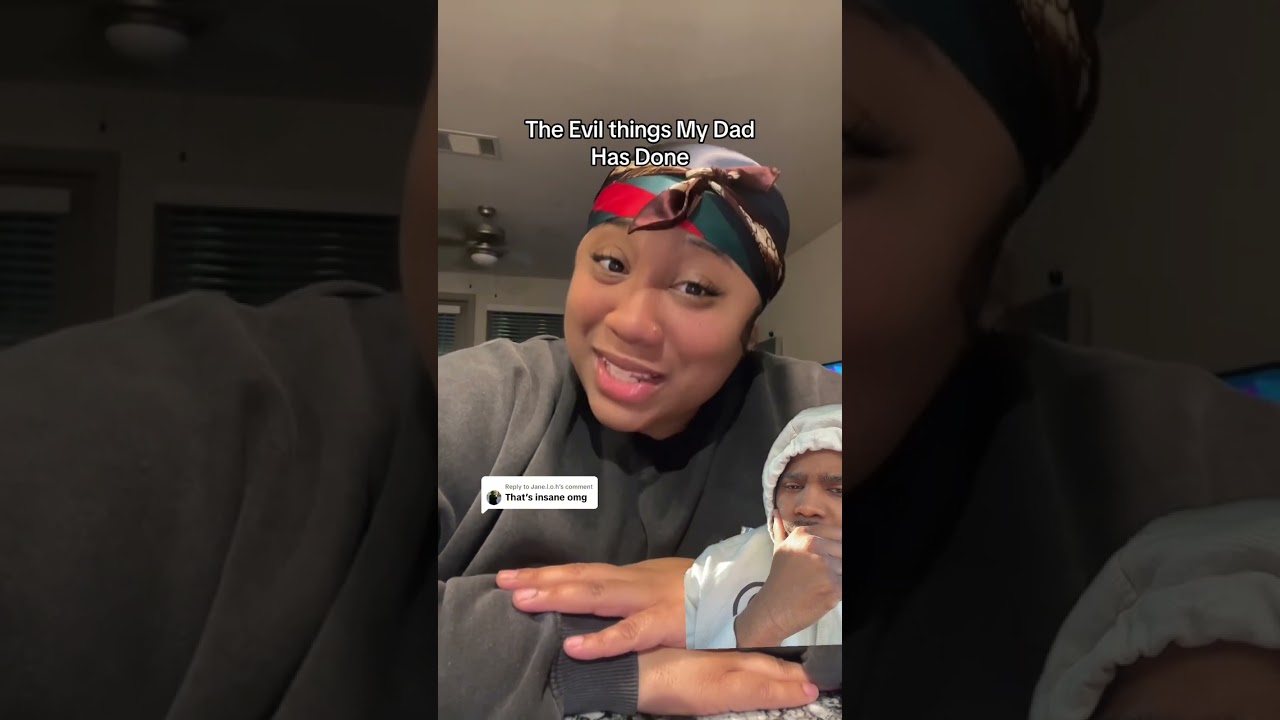
Let's get one thing straight before we even get into it: ten years of no contact is not someone being dramatic. It is not a phase. It is not a petty grudge that got out of hand. When a person goes an entire decade without speaking to the people who raised them — skipping birthdays, skipping holidays, skipping funerals — that is a decision that was made carefully, painfully, and probably more than once. Because here's the thing about no contact that people who've never needed it don't understand: you don't just do it once. You recommit to it every single time a holiday rolls around and the guilt starts whispering. You recommit every time someone in your circle asks, 'But have you tried talking to them?' as if the idea never occurred to you. This narrator has held that line for over ten years. That alone tells us something enormous about what they walked away from.
What 'More Complex Than Typical Family Conflict' Actually Means
The narrator is careful to say that what drove them to this point goes deeper than most people can imagine — and that it's more complex than typical family conflict. We want to sit with that phrase for a second, because it's doing a lot of work. 'Typical family conflict' already covers a wide range of genuinely painful things: favoritism, harsh words, emotional unavailability, the kind of low-grade neglect that doesn't leave visible marks but absolutely leaves marks. So when someone says their situation goes beyond that? We believe them. What comes through clearly is a pattern of feeling unheard, betrayed, and isolated — not by strangers, not by frenemies, but by the people inside their own household. That specific combination is its own kind of damage. Being betrayed by someone outside your family is devastating. Being betrayed by the people who were supposed to be your safe place, the people whose job it literally was to make you feel heard and protected — that rewires something. It makes you question your own instincts, your own worth, your own reality. And when the isolation happens inside the home itself, there's nowhere to retreat to. The place that's supposed to be your refuge is the source of the wound. That's not a conflict. That's a survival situation.
The Red Flags That Lead to a Door Closing Forever
We've heard a lot of estrangement stories in this community, and there are patterns that tend to show up before someone finally goes no contact for good. The decision almost never comes from one single event — it comes from years of smaller moments that each got minimized, explained away, or flat-out denied by the people causing them. Feeling unheard isn't just about someone not listening to you talk. It's about bringing your real pain to the table and watching it get dismissed, reframed, or turned back around on you. It's being told you're too sensitive, too dramatic, that you misremember things, that you're the problem. Over time, that erodes your ability to trust your own experience. Betrayal within a family unit hits different because it usually involves someone who had access to your vulnerabilities — someone who knew exactly where you were soft and either used it carelessly or used it deliberately. And isolation inside a household is perhaps the quietest, most invisible form of harm, because from the outside everything can look completely fine. No one sees what happens behind closed doors. No one sees who gets left out of conversations, who gets the cold shoulder, who learns to make themselves small just to keep the peace. This narrator lived inside all of that. And eventually, they chose themselves.
Why This Story Is for More People Than You'd Think
The narrator says directly: if you've ever felt unheard, betrayed, or alone in your own household — this story is for you. And honestly? That's a wider audience than most people want to admit. Not everyone who resonates with this has gone no contact. Some people are still in the thick of it, still hoping things will change, still showing up to family dinners and driving home feeling hollowed out. Some people cut contact quietly and have never told a soul because they're afraid of being judged for it. Some people are on the fence right now, reading this, wondering if the exhaustion they feel is normal or if it's a sign. What this story does — what estrangement stories in general do — is give language to something that is genuinely hard to articulate. It says: you are not alone in this. Other people have felt exactly this kind of specific, confusing, grief-that-doesn't-look-like-grief that comes from choosing distance over damage. Whether this narrator ever reconnects, whether reconciliation is even something they want, remains an open question. But the decade of peace they've built for themselves? That part isn't a question at all.
Our take
Curtis and I have talked about this kind of story more times than we can count, because it's one of the most misunderstood things in the entire messy-human-experience catalog. People hear 'no contact' and immediately want to find the other side, want to give the family the benefit of the doubt, want to ask 'but what did YOU do?' And look — we get it. Family is supposed to be sacred. But sacred doesn't mean infallible. Sacred doesn't mean immune from causing real, lasting harm. What strikes us most here is the specificity of the pain: unheard, betrayed, isolated in your own home. That's not vague. That's someone who has done the work of understanding exactly what happened to them. Ten years is a long time to hold a boundary. Ten years means this wasn't impulsive. We're not here to judge the family we haven't heard from — but we are here for this person, fully.
Sometimes the bravest, most loving thing you can do for yourself is to stop waiting for people to become who they were supposed to be. Ten years of silence can be ten years of finally being heard — by yourself.