The Wound That Comes With a Last Name
There's a specific kind of grief that doesn't get talked about enough — the grief of mourning a parent who is still alive. Not because they died, but because they were never who they were supposed to be. That's the grief sitting at the center of this story, and honestly, it hit us differently when we first heard it.
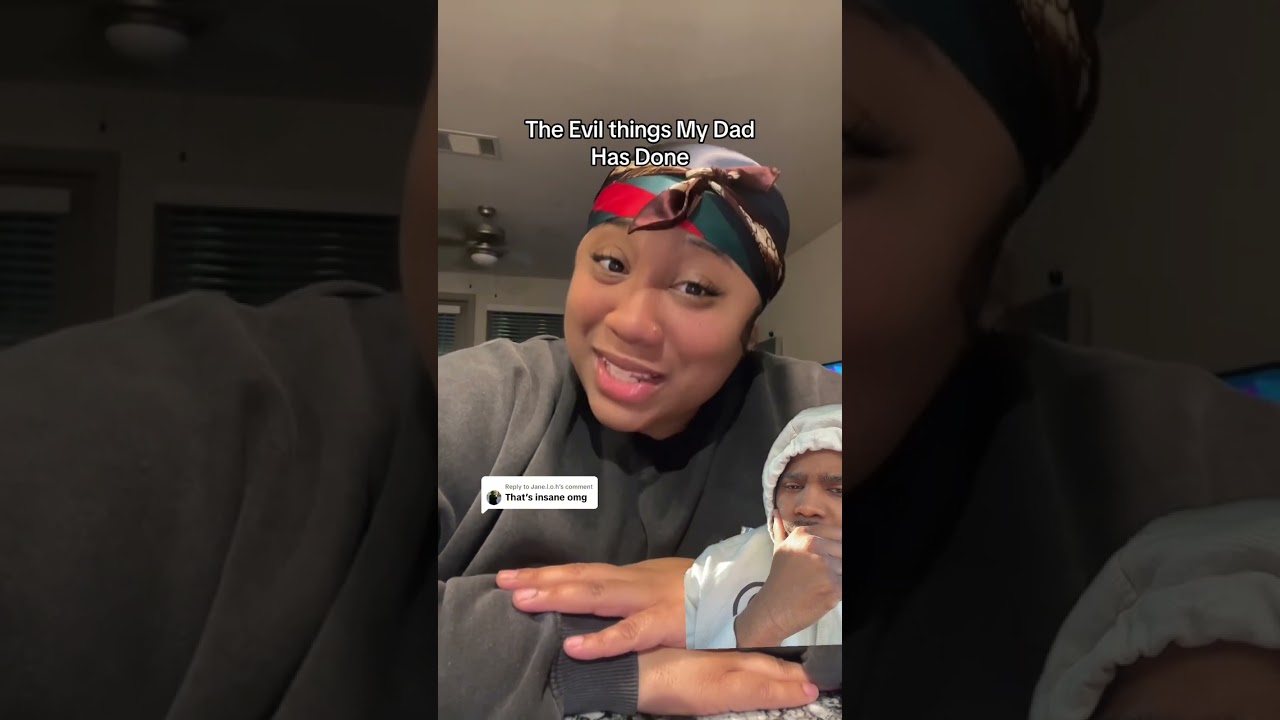
A woman from our Messy Stories community came forward to share something most people would keep buried for decades. Her father wasn't absent in the way we typically talk about absent fathers — checked out, emotionally unavailable, just kind of... not there. No, he was present. He was there. And that presence was the problem. Because instead of being a source of safety, he became the source of her deepest fear. Instead of protection, he delivered pain. And instead of love, he left scars — both the kind you can see and the kind you carry around in your chest for years before you even have the language to name them.
When He Destroyed the One Thing She Had Left of Her Mom
We need to talk about the photo. Because out of everything shared in this story, that detail is the one that made us go completely silent for a second.
Her father tore up a photo of her mother. Let that sink in. A child's connection to her mother — something small, something irreplaceable, something that probably meant the entire world to a little girl navigating a terrifying home — destroyed. On purpose. By the person who was supposed to keep her world intact.
That's not just cruelty. That's a calculated act of erasure. It tells you everything about the kind of power and control that was operating in that household. Abusers don't just hurt bodies — they go after the things that make you feel anchored. They target your sense of self, your memories, your connections to love. Destroying that photo wasn't random. It was a message: I control what you get to hold onto.
And she was a child receiving that message. Over and over again.
The physical abuse she endured compounded all of it. Because when the person hitting you is also the person the world says you should trust most, it doesn't just hurt — it rewires something fundamental in how you understand safety, love, and what you deserve. That rewiring is the work of years to undo. Some people never fully do.
The Quiet, Grueling Work of Deciding You Deserve Better
Here's what we find remarkable about this story, and why we think it belongs in the Messy Stories community: she didn't just survive — she made a conscious choice to protect her peace. And if you've never had to fight for your own peace against someone who shares your blood, it's hard to explain how enormous that choice actually is.
Breaking cycles of abuse isn't a moment. It's not one dramatic confrontation or one tearful goodbye. It's a thousand small decisions — to go to therapy, to set a boundary, to not answer that call, to refuse to normalize behavior that was once your entire normal. It's grieving the parent you deserved while releasing the one you got. It's building an identity that isn't defined by what was done to you.
What strikes us is that her resilience didn't come from having extra support or an easy path forward. It came from somewhere inside her that her father couldn't reach, couldn't tear up, couldn't destroy. And that inner resource — that stubborn, quiet insistence on her own worth — is the thing that carried her.
We don't know every detail of where she is now or exactly how her healing journey has unfolded. But the fact that she's telling this story at all? That she's naming it, out loud, to strangers on the internet? That's not a small thing. That's the cycle starting to break.
Red Flags We All Need to Recognize
We always want these stories to do more than just move us — we want them to mean something practically. So let's name a few things this story puts on the table.
First: emotional abuse and physical abuse rarely travel alone. The destruction of meaningful objects, the control over a child's connection to other loving figures, the climate of fear — these are patterns, not isolated incidents. If you're seeing these patterns in a child's home environment, that child needs someone to notice.
Second: children who grow up in homes like this often don't have the vocabulary to describe what's happening to them while it's happening. They normalize it. They protect the parent. They blame themselves. The fact that this woman can now articulate the full weight of what she experienced is itself a product of healing work — it didn't come automatically.
Third: 'but he's family' is not a reason to stay in harm's way. It's the reason the harm feels so impossible to leave. There's a difference. And one of the most radical acts of self-love is learning to tell those two things apart.
Our take
Curtis and I sat with this one for a minute before we even started writing. Because there's a version of this story that exists in so many families — quieter, maybe, or different in its details — but rooted in the same devastating truth: some people cause the most damage precisely because they were supposed to cause none at all. What this woman did by coming forward and sharing her experience is brave in a way that's hard to overstate. She's not asking for pity. She's doing the work of breaking a cycle, out loud, so others feel less alone in theirs. MessyFam, if this story touched something in you — whether it's your own experience or someone you love — we hope it also reminds you that healing is possible, even when the wound came from the very beginning of your life. You didn't deserve it then. You deserve peace now.
When the person meant to protect you becomes the threat, surviving isn't just enough — it's the foundation everything else gets built on. She laid that foundation, and that matters.