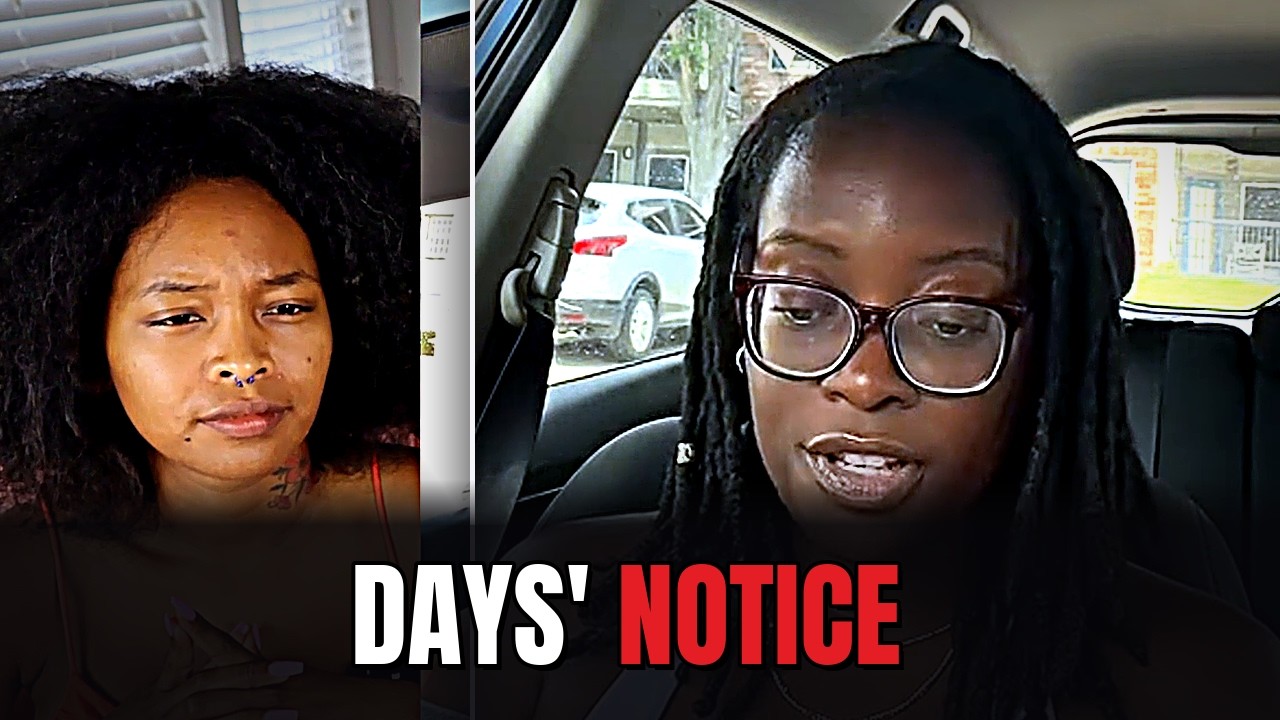
The Phone Debate That Turned Into a Confession
Our verdict, up front: don't go through someone's phone unless you already have a plan for what you'll do with what you find — and ideally, their permission first. Anything short of that is just self-inflicted torture. We landed there the hard way, because this debate didn't stay theoretical for long. The two of us have actually gone through each other's phones. One of us did it first, the other retaliated, and suddenly we were both holding information neither of us was ready for. A phone in 2024 isn't just texts — it's therapy notes, sibling drama, voice memos meant for nobody. You might go looking for a cheating trail and instead find someone's entire interior life, unconsented to. That's the real cost people don't factor in before they unlock the screen.
Cutting Off Family, Staying Friends With Exes, and Other Things People Pretend Are Simple
Cutting off family gets branded selfish constantly — and our take is that yes, it can be selfish, and that's not automatically a bad thing. Selfish gets treated like a slur, but protecting your energy from people whose negativity follows you home is survival, not cruelty. It also doesn't have to be permanent; sometimes a disconnection is just a recharge. On staying friends with exes, we're firmer. It's a game with a timer on it. Somebody catches feelings again, or a new partner gets uncomfortable, or the friendship quietly becomes the emotional affair nobody names out loud. Co-parenting is the real exception — you do what you have to for your kids, full stop. But no kids, no pre-existing friendship from before you dated? There's no reason to be that close, and the people who think they can handle it usually find out they overestimated their own control.
“If you're not going to do anything after you go through the phone, save the heartache. Just don't even go through it unless you plan”
— the storyteller, on phone snooping
The Legally Separated Chapter — Which Hits Different When It's Your Own Story
We can't be hypocrites on this one, because dating someone legally separated is literally our origin story. When things between us got serious, the legal marriage was still technically unresolved. We weren't living together, weren't in contact as a couple, were separated in every practical sense — but the paperwork dragged on, and it created a specific kind of tension. Not because anything was happening, but because it felt like a door left slightly open, baggage that predated us but would eventually need handling inside our relationship. Our honest take: legally separated and married are not the same thing. Separated means separate addresses, separate lives — it isn't cheating. But we won't pretend the unfinished business disappears. It lands in your lap eventually, so go in with your eyes open.
“I forgave them. They — no, I didn't forget. So I'm not going to put them on a pedestal.”
— the storyteller, on forgiving the unforgivable
Parents Who Choose Partners Over Kids, Jobs You Quit Without Warning, and the Forgiveness Trap
The parent-versus-partner question got personal fast. One of us grew up watching a mother choose her relationship over her children, and the honest reaction wasn't simple rage — it was something more complicated and painful than that. Our take: a parent should never be forced to choose, and if a partner is manufacturing that choice, that's the actual problem. But we also acknowledged that completely neglecting a partner in favor of the kids does its own damage. On quitting jobs without notice — we're not giving two weeks to a place that would replace us in 48 hours. If the job was good to us, maybe a heads-up. If it wasn't, we're gone. And on forgiveness: it's genuinely nuanced. Forgiving someone doesn't mean inviting them back into your life. You can forgive and still keep your distance — forgiveness is something you do for yourself so you stop carrying the wound, not a golden ticket back into your orbit for the person who hurt you.
“I was legally separated for 9 months. Me and her haven't even lived in the same household for 9 months before I met you.”
— the storyteller, on dating while technically still married
Splitting Bills and the One Rule We Actually Agree On
Our verdict on the 50/50-versus-income-based debate: income-based, full stop. Rigid 50/50 splitting ignores that two people rarely earn the same, and it quietly breeds resentment when one person is stretching to hit their half while the other barely notices the payment leave their account. What matters more to us is that neither person feels solely responsible and neither feels like a financial passenger. The goal is a shared experience — building something together — not a ledger where every line item has to balance perfectly. If one of us needs to carry more for a stretch, we carry it. That's what partnership actually looks like.
How it unfolded
- Phone SnoopingThe couple debates when it's okay to go through a partner's phone, revealing they've actually done it to each other and landing on: don't do it unless you're ready to act on what you find.
- Cutting Off FamilyBoth agree that distancing from toxic family members is sometimes necessary self-protection, and that it doesn't always have to be permanent.
- Ex-Friends and the Separated SpouseThey come out firmly against staying close with exes, then get personal about their own origin story — she was with him while he was still legally married but separated for nine months.
- Parents Who Choose PartnersOne of them shares that their own mother chose her partner over her children, leading to months of no contact and a complicated, still-healing relationship.
- Quitting Without Notice and ForgivenessThey defend leaving jobs without warning if the workplace doesn't deserve the courtesy, and reframe forgiveness as something you do for yourself — not a pass for the person who wronged you.
- Splitting BillsBoth land on income-based splitting over rigid 50/50, framing partnership as a shared experience rather than a financial ledger.
Our take
Where we keep landing on all nine of these is the same place: know your own answer before the crisis is standing in your kitchen. Some of this wasn't hypothetical for us — the legally separated question, a parent choosing a partner over a kid — we've lived versions of both, which made arguing them feel less like a fun thought experiment and more like reopening a drawer. What we noticed, going through the list, is that the messiest rules all share the same skeleton underneath: protecting yourself versus staying open to someone else. Phone snooping, unforgivable acts, staying friends with an ex — different costumes, same tension. We don't think there's one universal right answer across any of these nine. But you need to know where you stand before the moment actually arrives, because once it does, your brain goes offline and you're improvising with your whole life.
The hardest relationship questions aren't hard because the answers don't exist — they're hard because the answers require you to know yourself first. Figure that part out before you're in the middle of it.
Questions people ask
Is it okay to date someone who is legally separated but not divorced?
Legally separated means separate addresses and separate lives, which the storytellers — who lived this themselves — say is meaningfully different from dating someone still actively married. The catch: the unfinished divorce eventually becomes your relationship's problem too, so go in clear-eyed.
Should you split bills 50/50 in a relationship?
The couple prefers income-based splitting over strict 50/50, arguing that equal dollar amounts ignore unequal financial realities and can quietly build resentment in a partnership.
Can you forgive someone without letting them back into your life?
Yes. The storytellers draw a clear line between forgiving someone — releasing your own burden — and reconciling with them, which means re-entering a relationship. You can do the first without doing the second.
Is staying friends with your ex emotional cheating?
The couple stops short of calling it cheating outright, but argues it's a high-risk game where someone almost always ends up catching feelings again or a current partner gets hurt — especially when both people are young and the relationship was serious.