When Tragedy Immediately Becomes Suspicion
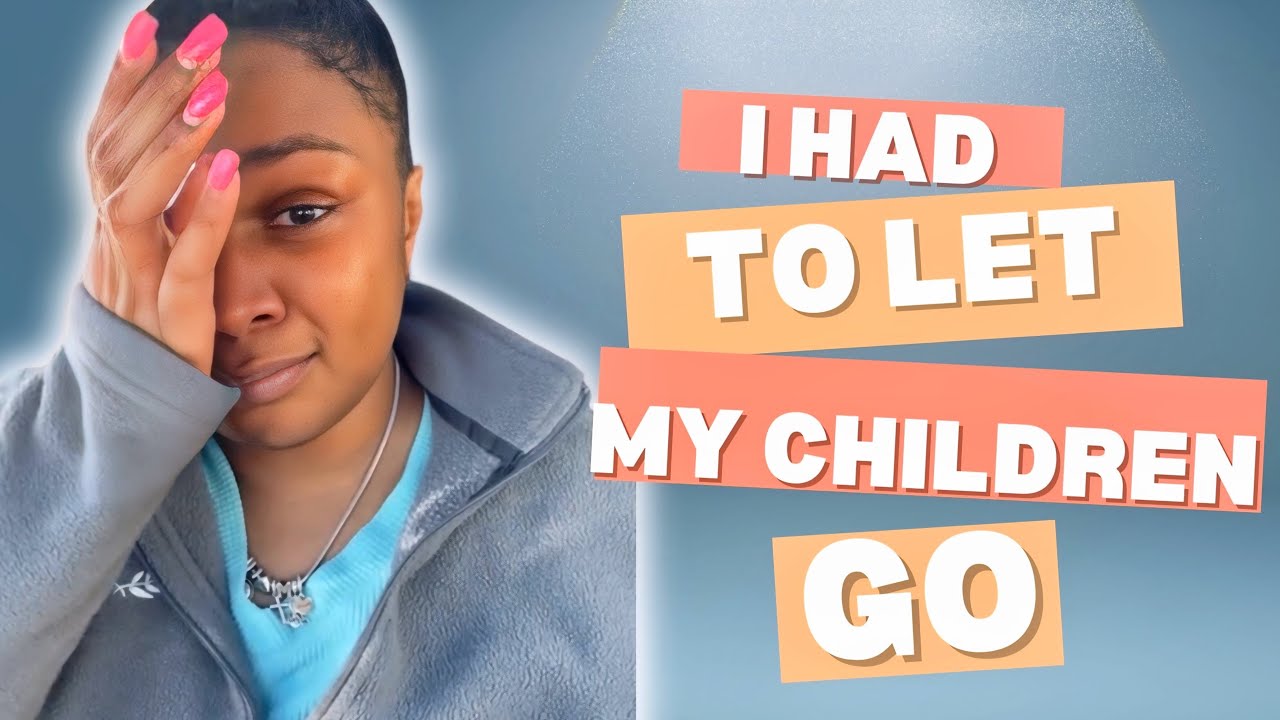
There's a specific kind of devastation that comes with losing someone violently and suddenly. It doesn't matter how complicated the relationship was, how many fights there were, how many times you thought about walking away — when that person is gone, the grief is real and it is immediate. Now imagine that grief being met not with condolences, but with accusations. That's exactly the position this young mother found herself in after her child's father was killed by gun violence. Before she could even begin to process what happened, the whispers started. And then the whispers got louder. And then someone in his family stopped whispering altogether. We've covered a lot of messy situations on this site, but there's something particularly gutting about a grieving mother being accused of involvement in the death of her child's father while she's also trying to figure out how to explain to that child why their parent isn't coming home. The trauma is layered in a way that's almost impossible to describe — and yet, here she is, having to navigate all of it publicly, with people she probably once considered family now looking at her like a suspect.
A Relationship Already Marked by Violence — and Why That Matters
Here's where the story gets genuinely complicated, and we want to be careful here because complicated doesn't mean guilty. The relationship between this young mother and her child's father was not a peaceful one. There was violence in that relationship — and that history is now being weaponized against her in the court of family opinion. This is something we see happen constantly to survivors of domestic violence, and it is one of the most infuriating patterns in how society processes these situations. A woman stays in a violent relationship — often for reasons that are deeply human: financial dependency, fear, love, children, hope that it will change — and then the moment something goes wrong, that same violence that was done TO her becomes the thing that makes her look suspicious. It's a trap with no clean exit. If she had left, maybe she'd be safe. But staying, enduring, surviving — that becomes the evidence used against her. We're not saying what happened or who is responsible. What we are saying is that a history of being in a violent relationship is not a confession. It is not motive spelled out in neon. It is a trauma history, full stop, and it deserves to be read that way.
Stolen Money, a Cold Case, and a Mother-in-Law With a Theory
So what is the actual accusation here? According to what's been shared, there's stolen money somewhere in this story — and that detail is doing a lot of heavy lifting in the narrative being built against her. Money has a way of making already-messy situations exponentially worse. It gives grieving people something concrete to point to, a motive they can name out loud, a reason that feels more satisfying than 'we don't know what happened.' His mother has apparently moved from grief into accusation, pointing fingers directly at the young mother and, by extension, pulling the rest of the family into the conflict. And that is where the family betrayal piece really lands — because this isn't just about two people who had a volatile relationship. There is a child in the middle of this. There are family members being asked to choose sides. There is a cold case that remains unsolved, which means the real answer is still out there somewhere, untouched, while everyone burns down their relationships fighting over a theory. The question that keeps nagging at us — the one the original video even poses directly — is what evidence does the mother-in-law actually have? Grief can make people certain of things they cannot prove. Loss can make a person need someone to blame so badly that the story they build starts to feel like fact. We're not dismissing her pain. But certainty without evidence, especially in a cold case, is a dangerous thing to hand to a family already fracturing under pressure.
What Happens to the Child in All of This
We keep coming back to the child, because honestly — that's where the real long-term damage lives. This little one has already lost their father to violence. That is a wound that will shape them for the rest of their life. But on top of that, they are now growing up in the aftermath of a family war, with their mother under suspicion and their paternal family potentially pulling away or, worse, actively hostile. Children absorb the energy of adult conflict even when they don't understand the words. They feel the tension at family gatherings, the way certain names get said differently, the way their mother's face changes when certain topics come up. Whatever the truth turns out to be in this case — and we genuinely do not know how it resolves — the collateral damage to this child is already real and already happening. That's the part that doesn't get talked about enough in these stories. The adults are all fighting to be believed, to be vindicated, to be right. And somewhere in the middle of all that noise is a kid who just wants their family to stop falling apart.
Our take
Curtis and I talked about this one for a long time after we watched it, because it sits in that uncomfortable space where we genuinely can't call it. What we CAN say is this: the pattern of blaming a woman for the violence she was subjected to, and then extending that blame to the violence done to the person who hurt her, is one of the oldest and most unfair tricks in the book. Does that mean she's innocent? We don't know. Does it mean the mother-in-law's grief is invalid? Absolutely not. But a cold case with a theory attached to it is not justice — it's just pain looking for a place to land. What this young mother needs is for someone to actually find the truth, not just a convenient story. And what that child needs is for the adults around them to remember that they exist. Full stop.
Grief doesn't automatically produce truth — sometimes it just produces certainty, and those two things are not the same. Until this cold case is actually solved, everyone pointing fingers is just making noise while the real answer stays buried.