The Affair That Allegedly Started It All
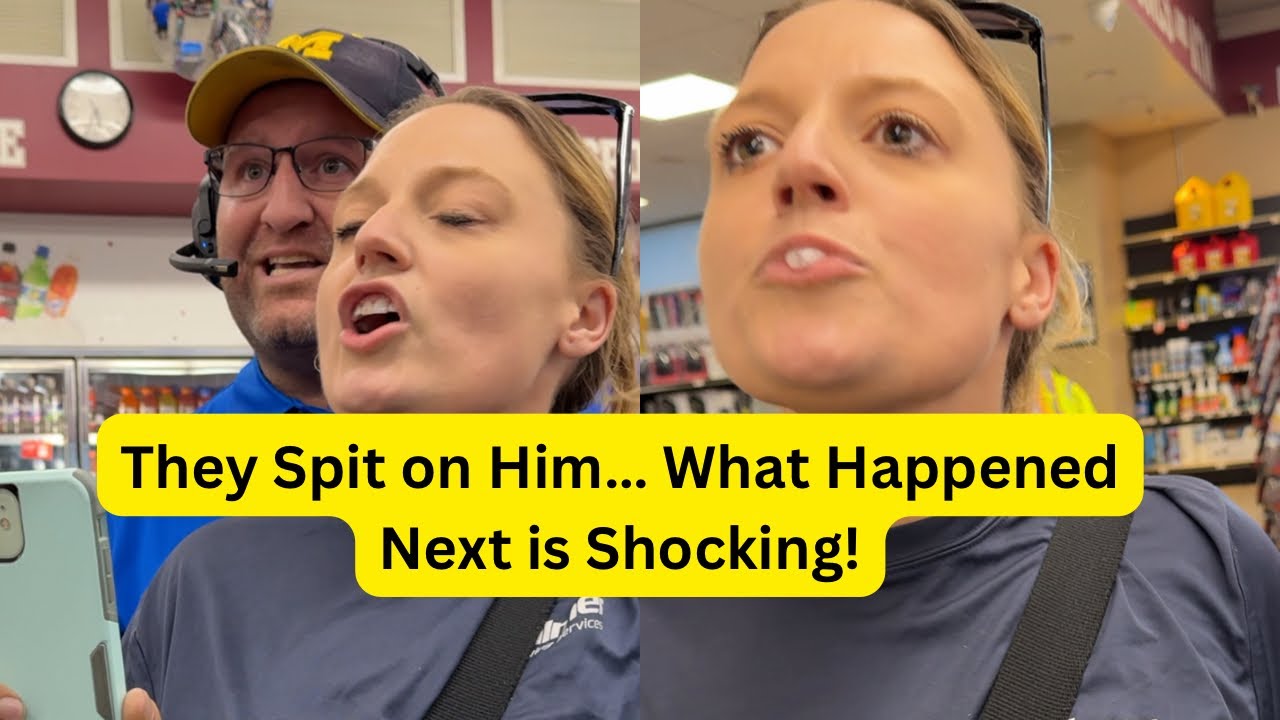
Let's set the scene, because context here is everything. According to this woman's account, she had an affair with a married federal agent. Now, affairs happen — messy, complicated, human things that they are. But this one allegedly came with a twist that most people will never encounter: when she chose to expose the relationship, she claims the fallout didn't just come from his wife or his family. It came from the federal government itself.
That detail alone deserves a moment of stillness. We're not talking about an angry ex blowing up your phone or a scorned spouse showing up at your job. We're talking about the possibility that someone with access to federal resources — surveillance equipment, legal frameworks, institutional authority — allegedly turned all of that toward one woman because she told the truth about who he was. If that's what happened, it is one of the most chilling examples of a power imbalance we've ever come across in this community.
Four Years of Traps, Setups, and 24/7 Watching
Here's where the story gets genuinely hard to sit with. She doesn't describe a few weeks of feeling watched or a paranoid few months after the breakup. She claims this surveillance has been going on for more than four years — persistent, extensive, and deliberate. She describes what she calls traps and setups, suggesting that the monitoring wasn't passive. It wasn't just someone keeping tabs. According to her, it was active and ongoing, designed to catch her in something.
And that's the part that makes our skin crawl a little, honestly. Because there's a massive difference between 'we're investigating someone for legitimate reasons' and 'we are manufacturing situations to ensnare someone who embarrassed one of our own.' The first is the justice system doing its job. The second is institutional retaliation dressed up in legal clothing. She is clearly alleging the latter — that the surveillance is not about anything she actually did wrong, but about what she revealed about someone else.
We want to be careful here, because we only have her account. Federal investigations are real, and sometimes people genuinely don't know why they're under scrutiny. But four years is a long time. Four years of described traps and setups is not the behavior of an agency pursuing a legitimate case — it starts to sound like something far more personal and far more vindictive.
The Red Flags in This Story That We Can't Ignore
Let's break down what makes this account particularly alarming, even setting aside the question of whether every detail holds up under scrutiny.
First: the timing. She says the surveillance began — or at least became apparent to her — after she exposed the affair. That sequence matters enormously. Retaliation cases often hinge on exactly that kind of timeline: action, then consequence. If she can demonstrate that the surveillance ramped up directly following her disclosure, that's a significant piece of the puzzle.
Second: the nature of the alleged monitoring. Traps and setups aren't standard investigative procedure for someone who poses no known threat. That language implies active engineering of situations — which, if true, suggests someone with both motive and access is driving this personally, not professionally.
Third: the duration. Four-plus years is extraordinary. Legitimate investigations have scopes and timelines. An investigation that stretches across four years without apparent charges or resolution starts to look less like law enforcement and more like punishment.
Now, the critical question the story itself raises: what evidence does she actually have that connects the surveillance to the affair? That's the thread everything else hangs on. Feeling watched is one thing. Documenting a pattern, finding witnesses, or uncovering paper trails is another. We genuinely don't know where she stands on that yet — and that's what makes this story one to watch.
Our take
Okay, we've talked about this one at length between ourselves and here's where we land: even if only half of what she's describing is accurate, it is deeply disturbing. The idea that someone could leverage federal resources — resources that belong to all of us, funded by taxpayers — to surveil and harass a woman because she exposed a personal betrayal is not just wrong, it's a corruption of everything those institutions are supposed to stand for. We also want to acknowledge that she is carrying something most people couldn't handle. Four years of feeling watched, set up, and followed would break a lot of people. The fact that she's speaking about it publicly takes courage, and we're not going to dismiss that. What we need to see is the evidence. Her story deserves scrutiny — not because we doubt her, but because scrutiny is how accountability actually happens. We're rooting for the truth to come out, whatever shape it takes.
When power is used personally instead of professionally, it stops being authority and starts being abuse — and stories like this one remind us that accountability has to go all the way to the top. We're watching this one closely.