The Setup: A Planned Baby, An Abandoned Mama
Let's paint the picture first, because context matters here. Armani is 21 years old, her boyfriend is 23, and they've been together since tenth grade. This wasn't a situationship or a situational oops — they planned this pregnancy together, moved in together, built a life. So when he suddenly decided at three months that he didn't want the baby anymore, it wasn't just heartbreak, it was a full betrayal of everything they'd agreed to. Armani held her ground. She'd already heard the heartbeat. She was keeping her baby, full stop. He responded by walking out and leaving her the apartment. Cold, but survivable. Or so she thought.
The Unexpected Return — And the Phone
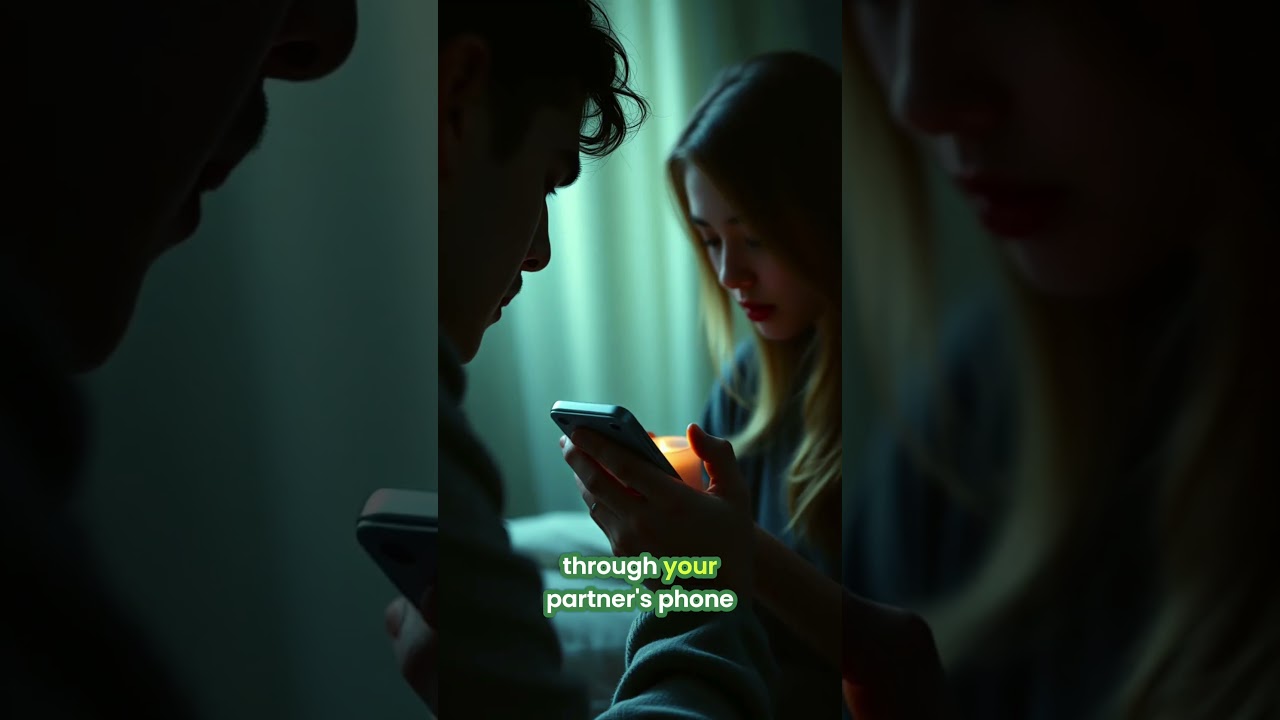
Four months pass. Armani is now seven months pregnant, doing life solo, when her baby's father just... shows up. He's in her kitchen making food like no time has passed. And honestly? She's not even that angry. This is her first love, the father of her child, and after months of silence, some part of her is just relieved to see him. They fall back into an easy rhythm — dinner, TV, falling asleep together. It almost feels normal. Then she wakes up in the middle of the night to use the bathroom, and his phone is right there on the nightstand. She does what a lot of us would do. She swaps the cases so he won't notice it's gone, locks herself in the bathroom, turns on the water, and starts going through it. The messages from girls? She screenshots them and moves on. Nothing too alarming. But then she finds the group chat.
“my results came back positive”
— a message Armani found in her boyfriend's group chat, as recounted by the storyteller
The Group Chat That Changed Everything
The chat is called Bang Bros, and when Armani scrolls back five months, she finds a message that stops her cold — someone saying their results came back positive. The responses trickle in: some of the men in the chat saying theirs are positive too. As she reads further, the picture assembles itself in the worst possible way. Her boyfriend and a group of his close friends — guys she'd known since tenth grade herself — had been sleeping with each other. Multiple people in that chat had tested positive for HIV. And the reason her baby's father had suddenly wanted out of the pregnancy, out of her life, out of everything? He already knew.
“this man that moved you away from your family messed up all the ties you have with your family”
— the storyteller, describing Armani's isolation
Violence, Destruction, and a Woman Left Alone
Armani is in the bathroom screaming and sick when he breaks the door down. He sees his phone in her hand, and instead of shame or remorse, he responds with violence — he breaks her jaw. She loses consciousness. When she comes to, he's gone, and the apartment has been destroyed. Baby items cut up, everything trashed. She's nearly eight months pregnant, physically injured, and now terrified about whether she or her baby has been exposed to HIV. And here's the part that makes this even more devastating: he had spent years systematically cutting her off from her family. She had no one nearby to call. The isolation wasn't accidental — it was infrastructure for control.
“if you have HIV please don't take this as like it's the end of the world — but that is very upsetting to find out”
— the storyteller
Why Armani Wanted This Story Told
This is the story of the storyteller's former classmate, Armani, who specifically asked for it to be shared publicly — not for sympathy, but for awareness. The message she wanted out there is direct: if you are knowingly carrying an STI, you do not get to make that someone else's silent burden. You especially do not get to plan a pregnancy with someone while hiding that information. The storyteller is careful to note that an HIV diagnosis is not the end of the world — treatment exists, people live full lives — but the concealment, the manipulation, the years of isolation, and ultimately the violence? That's the real crime here. Armani's story is a warning about what cowardice and secrecy can cost the people who trusted you most.
How it unfolded
- Planned pregnancyArmani, 21, and her high school sweetheart, 23, intentionally conceive a child while living together.
- He walks outAt three months pregnant, he suddenly claims he doesn't want the baby and leaves, abandoning Armani in their shared apartment.
- Unexpected returnFour months later, at seven months pregnant, Armani comes home to find him in her kitchen as if nothing happened.
- The group chat discoveryGoing through his phone in the bathroom, Armani finds a group chat revealing he and close friends had tested positive for HIV.
- Violence and destructionHe breaks her jaw when he sees his phone in her hand, then disappears, leaving the apartment destroyed and baby items ruined.
- Armani speaks outArmani asks the storyteller to share her experience publicly as a warning about concealment, isolation, and the real cost of hidden diagnoses.
Our take
We have talked about a lot of messy situations on this site, but this one hit different. The layers here are staggering — it's not just the HIV disclosure, it's the years of isolation from family, the planned pregnancy he apparently already had doubts about for reasons he never shared, and then the violence when she found out the truth he'd been hiding. That jaw-breaking moment is what keeps replaying for us. He didn't feel caught. He felt threatened. And that distinction tells you everything about who this man actually is. Armani asked for her story to be told because she wanted other people to see the warning signs she couldn't. We hope they do. And we hope she and her baby got the medical care and support they needed, because they deserved so much better than this.
Secrets this big don't just hurt feelings — they put lives at risk, and the cover-up is always worse than the truth would have been. Armani's story is a reminder that isolation is a tool, and the people who use it are rarely done when you find out why.
Questions people ask
Can HIV be transmitted to a baby during pregnancy?
Yes, HIV can be passed from a mother to a baby during pregnancy, childbirth, or breastfeeding, but with proper medical treatment and antiretroviral therapy, the risk of transmission can be significantly reduced — often to near zero. Early testing and prenatal care are critical.
What should you do if you find out your partner has HIV while pregnant?
Contact your OB or a healthcare provider immediately. You will need to be tested yourself, and if you test positive, your care team can begin antiretroviral treatment to protect both you and your baby. Time matters, but treatment options exist.
Is it illegal to knowingly expose someone to HIV without telling them?
In many U.S. states and countries, knowingly exposing a sexual partner to HIV without disclosure is a criminal offense. Laws vary by location, but non-disclosure of a known HIV status to a partner is taken seriously legally and ethically.