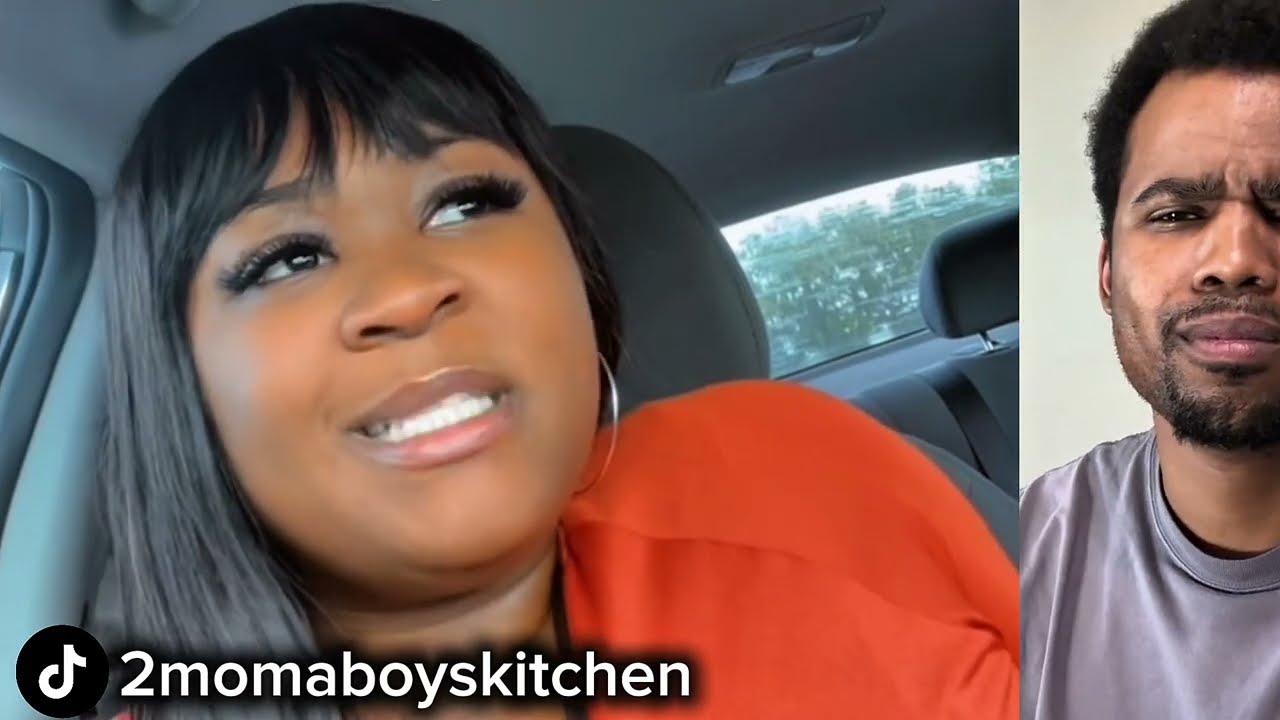
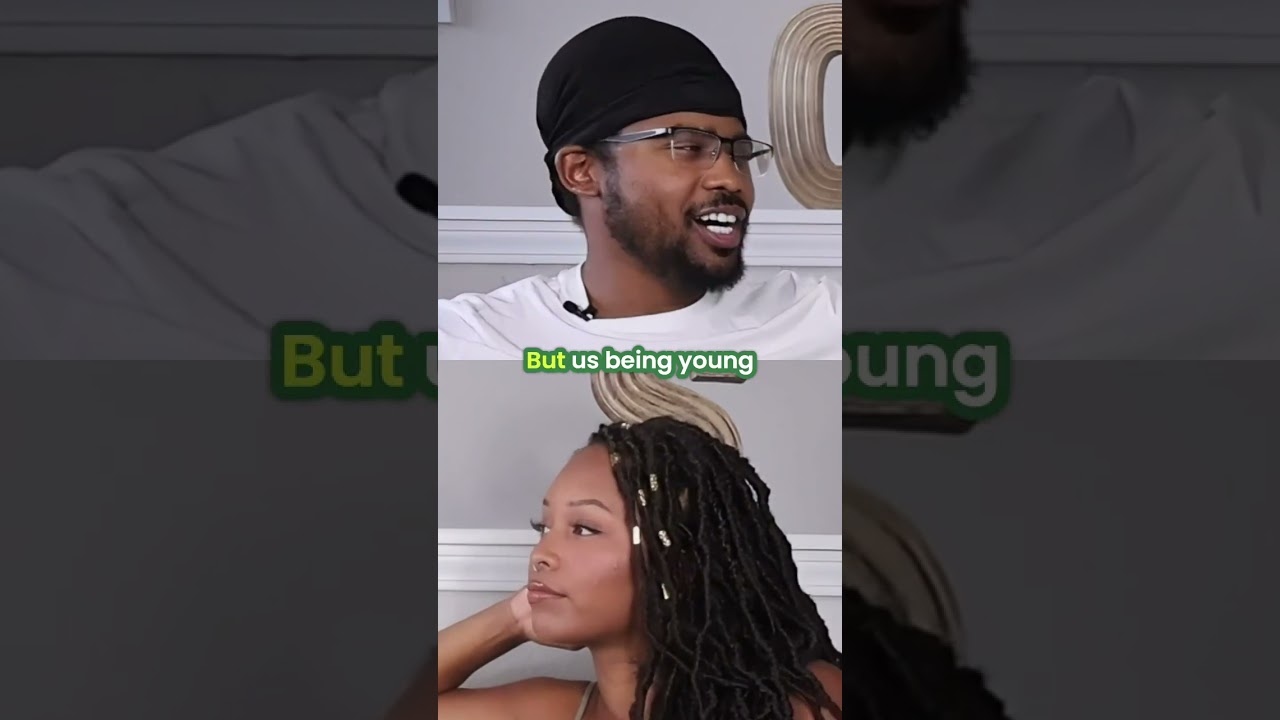
The Verdict That Changed Everything
There are moments in life that split your timeline into a clean before and after. For this woman, that moment came inside a courtroom when a judge handed down a sentence of 75 years to life to the father of her child. Seventy-five years. Let that number sit with you for a second. That's not a setback. That's not something you white-knuckle through until things get better. That is, for all practical purposes, a permanent goodbye dressed up in legal language.
And yet — she stayed. At least at first. And honestly? We're not here to judge that. The heart doesn't immediately accept what the brain already knows. When you've built a life with someone, when you share a child with someone, love doesn't just clock out the moment a gavel comes down. She made the choice that a lot of people in that impossible position make: she decided to hold on. To show up. To be the person who didn't abandon him when the walls closed in.
That kind of loyalty is real, and it deserves to be named before we talk about anything else.
What 'Standing By Him' Actually Costs
Here's what people outside this situation rarely understand: staying isn't passive. It is an active, daily, exhausting choice. It means navigating a prison system that was not designed with families in mind. It means phone calls that cost more than they should, visits that require planning and emotional armor, and a relationship that exists almost entirely on the other person's terms because — what other terms are there?
And she was doing all of this while raising a child. A child who deserves a present, grounded, emotionally available parent. A child who is going to ask questions. A child who is going to grow up in the specific, complicated shadow of this situation whether anyone likes it or not.
The emotional and practical toll the recap describes isn't abstract — it's the slow accumulation of a hundred small impossible moments. It's explaining to your kid why their other parent isn't there. It's fielding the drama that doesn't stop just because someone is incarcerated — because incarceration doesn't freeze a situation, it just relocates the chaos. People on the outside still have opinions. There are still dynamics, still pressure, still noise. She was managing all of it, and she was doing it largely alone.
At some point, 'standing by him' starts to feel less like love and more like a sentence of her own.
The Breaking Point Nobody Warns You About
What we find so compelling about this story — and why it hit the Messy Stories community hard enough to get shared — is that her breaking point wasn't necessarily one dramatic explosion. The recap describes mounting pressure, a weight that built over time, and a final reckoning with what she and her child could realistically endure. That slow build is so much more relatable than a single villainous moment, and in some ways, it's harder to explain to other people.
When someone asks 'why did you leave?' and the honest answer is 'because I finally did the math on the next several decades of my life and couldn't make the numbers work' — that's a hard thing to say out loud without feeling like you're betraying someone. But it's also the truth that a lot of people in similar situations are quietly living.
The question the video poses — would you have done the same? — is genuinely one of the hardest hypotheticals we've ever sat with. Because the answer isn't just about loyalty or love. It's about what you believe you owe another person versus what you owe yourself and your child. It's about whether devotion is still devotion when it hollows you out completely. There's no clean answer. But there is, eventually, a decision. And she made hers.
We don't know the specific moment or revelation that finally tipped the scales — that's the part of the story still unfolding in the video — but we do know that whatever it was, it came after she had already given more than most people would have.
Our take
Curtis and I talked about this one for a long time after we read it, which is always the sign of a story that's doing something real. Here's where we landed: she is not a villain for leaving, and she is not a saint for staying as long as she did. She's a person who got handed an impossible situation and tried to honor it until she genuinely couldn't anymore. The child piece is what gets us — because that baby didn't choose any of this, and at some point, her capacity to show up for that kid had to factor into the equation. Loyalty is a value. So is survival. So is modeling for your child what it looks like to make hard, honest choices about your own life. We're not saying leaving was easy or even definitively right. We're saying it was human. And that's enough.
Some relationships don't end because love runs out — they end because reality finally outweighs everything else, and staying would cost you more than you have left to give.