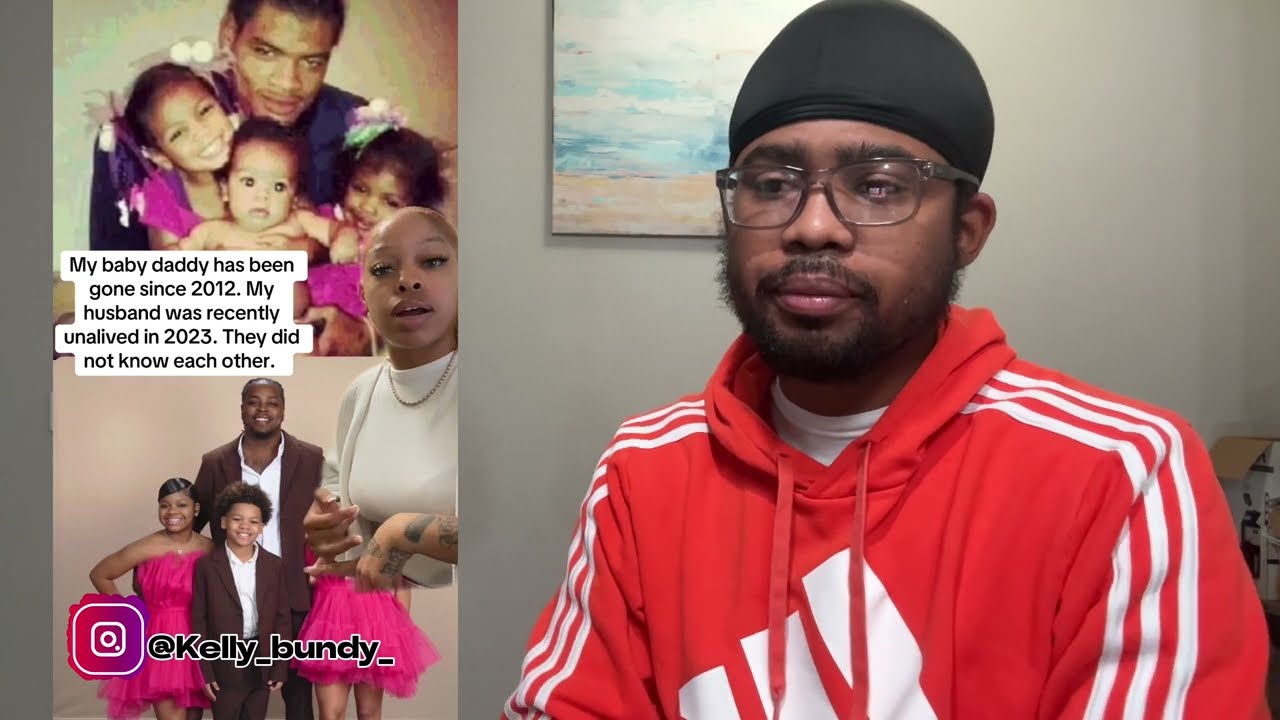
A Nine-Year-Old Shouldn't Have to Carry This
Let's just sit with that for a second. Nine years old. That's still believing in magic, still needing someone to check under the bed, still learning your multiplication tables. That is the age this woman was when her mother entered a jail cell and came out fundamentally, irreversibly changed. And instead of getting to just be a kid after that, she stepped into a life defined by that single, shattering event — one nobody would fully explain to her.
Now she's an adult. She's raising four children of her own. And her mother has required round-the-clock care for over two decades — every single day, for more than twenty-one years. We don't know the full medical picture, but what we do know is this: whatever happened inside that cell was catastrophic enough to steal her mother from her in the most agonizing way possible. Not a sudden loss you grieve and eventually learn to live with. A presence that is absence. A mother who is there but not there. That kind of grief doesn't have a name, and it doesn't have an end date.
Missing Records, Closed Doors, and a Family That Won't Talk
Here's where this story goes from heartbreaking to infuriating — because the obstacles stacking up against this daughter aren't just bureaucratic. They feel deliberate.
The records? Gone. The prison facility where it happened? Closed. And the family members who were around when it all went down? Silent. That specific combination — missing documentation, a shuttered institution, and relatives who refuse to engage — is the kind of trifecta that makes you feel crazy for even asking questions. Like the whole universe conspired to make sure the truth stays buried.
We've seen stories where one of those things happens and it's maddening. All three happening at once? That's not bad luck. That's a wall. And she has been running into that wall her entire adult life, carrying a mystery that most people couldn't fathom, while simultaneously being the one who shows up every day for her mother's care and her own children. The emotional labor alone is staggering.
What we keep coming back to is the family silence specifically. Records disappear, institutions close — those things happen in systems that were never designed to protect people like her mother. But family members choosing not to speak? That's a decision. People make that choice because talking feels dangerous, or shameful, or because someone told them not to. None of those reasons are good enough when a woman has been in this condition for twenty-one years and her daughter deserves to know why.
She's Done Being Quiet — And We're Here for It
After more than two decades of silence, she is finally breaking it. She's going public, asking the questions out loud, demanding accountability — and honestly, good. Because the alternative is what? Another twenty years of the same wall?
There's something incredibly powerful about watching someone decide that the discomfort of speaking up is less unbearable than the weight of staying silent. Especially when that person has been carrying this since childhood. She didn't choose this story. It was handed to her at nine years old without explanation. But she's choosing what to do with it now, and that choice matters.
What we hope — genuinely, deeply hope — is that going public shakes something loose. That someone who has been holding a piece of this puzzle for two decades sees her story and decides their silence has cost enough. That some record surfaces somewhere. That the accountability she's asking for becomes more than just a demand — that it becomes a reality. She's not asking for anything unreasonable. She just wants to know what happened to her mother. That's it. That's the whole ask.
And the fact that it has been this hard to get that answer tells you everything about how these systems treat the people inside them — and the families left outside, waiting.
Our take
MessyFam, Curtis and I talked about this one for a long time after we first saw it, because it hits different when you're parents. Imagine your child growing up with that question mark where a parent used to be. Imagine being that daughter — doing everything right, raising her kids, showing up for her mother every single day — and still being stonewalled by the very people and institutions that owe her the truth. The missing records, the closed facility, the family silence — separately, any one of those is a setback. Together, they're a system of erasure. We are fully in her corner. We want answers. We want accountability. And we really, really want someone who knows something to find their conscience and start talking. This woman has waited long enough.
Twenty-one years is long enough to wait for the truth — and sometimes the bravest thing you can do is finally say that out loud, no matter who's made it clear they'd prefer you didn't.