When 'She's Just Adjusting' Becomes a Lie You Stop Believing
There's a version of the stepparent story that's uncomfortable but survivable — the awkward dinners, the competing for dad's attention, the petty comments about how you load the dishwasher. Most of us with blended family experience have a drawer full of those grievances. We learn to manage them. We learn to smile through it.
This is not that story.
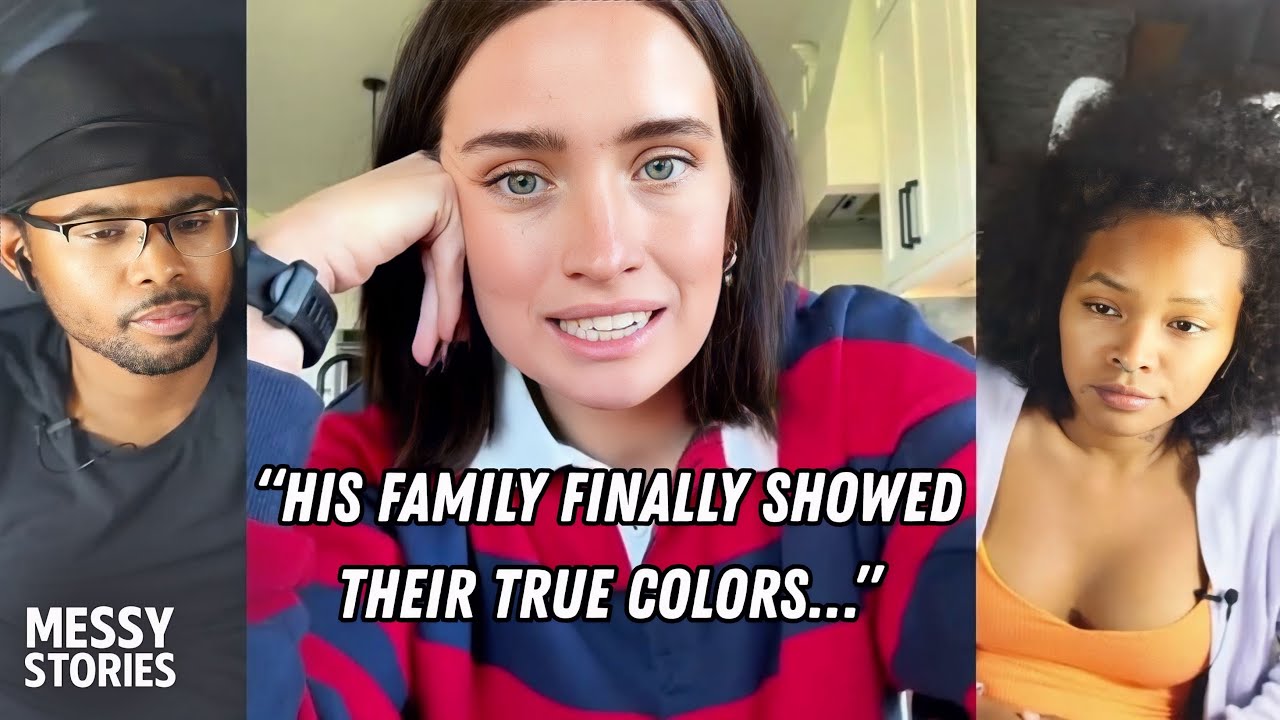
According to this account shared with the Messy Stories community, what started as a difficult family adjustment escalated into something far darker — gaslighting, manipulation, and physical abuse that fundamentally changed the shape of this family. And the person living through it had to reckon with a truth that is genuinely one of the hardest a person can face: the parent you love either cannot see what's happening, or has chosen not to.
That second option is the one that breaks you. Because neglect by ignorance is painful, but neglect by choice? That's a different wound entirely. It asks you to rewrite everything you thought you knew about who your father is.
The Anatomy of a Toxic Stepparent (And Why Dads Miss It)
Here's what nobody tells you about abusive or manipulative stepparents: they are frequently masterful at being completely different people depending on who's watching. The gaslighting described in this story isn't accidental — it's a strategy. It makes the child or stepchild feel unstable, dramatic, too sensitive. It makes the father see conflict where there is cruelty, and oversensitivity where there is survival.
Manipulation in a family system is insidious precisely because it exploits the relationships that are supposed to protect you. A stepparent who has the ear of your father, who controls the emotional temperature of the home, who can reframe every incident before you've even had a chance to process it — that's not a difficult personality. That's a power structure. And when physical abuse enters the picture, as it did here, the stakes stop being about family harmony and start being about safety.
We also want to name something that often goes unspoken in these stories: the grief of watching your parent choose wrong. The narrator isn't just dealing with a toxic stepmother — they're dealing with a father who is, at minimum, not protecting them. That's a compounded loss. You lose the stepmother you never had, and you lose the version of your dad you thought you knew.
The Impossible Choice Nobody Should Have to Make
The question at the center of this story is one that a painful number of people know firsthand: do you maintain a relationship with a parent whose partner is harming you, or do you protect yourself by stepping back — even if that means losing your dad too?
There is no clean answer. Staying means continued exposure to someone whose behavior has already crossed into abuse. It means potentially absorbing more gaslighting, more manipulation, more physical harm. It means sending yourself the message, over and over, that your safety is negotiable in exchange for family access.
But leaving — cutting contact or significantly pulling back — comes with its own devastation. Estrangement from a parent is not the relief people on the outside imagine it to be. It's a grief that resurfaces at every holiday, every milestone, every time you see someone else with their dad at a graduation or a wedding. It's a loss you chose, which somehow makes it harder, not easier, to carry.
What strikes us about this story is how clearly the narrator understood the stakes. This wasn't a snap decision made in anger. This was someone carefully, painfully weighing what they could survive — and what they couldn't. That kind of clarity, arrived at through that much hurt, deserves to be taken seriously.
Where This Story Lands (And What We're Still Sitting With)
We don't know yet how this one resolves — whether the narrator found a way to hold onto their father while protecting themselves, or whether distance became the only livable option. That question is still unfolding, and honestly, we think it deserves to unfold without us projecting a tidy ending onto it.
What we do know is that this story is going to hit differently depending on where you're sitting. If you've never had a toxic stepparent, you might be tempted to ask why the father didn't do more. If you have lived this — and so many of you in the MessyFam have — you already know the answer is complicated and awful and rooted in dynamics that don't make sense from the outside.
The storyteller here was brave enough to name what was happening, to call it what it was, and to take their own well-being seriously enough to consider the hardest option available. That's not drama. That's survival.
Our take
Curtis and I talked about this one for a while after watching, because it hits on something we feel strongly about: the idea that blood or legal family ties obligate you to absorb abuse is one of the most damaging myths in family culture. It isn't loyalty to stay in a situation that is physically and psychologically harming you. It's self-erasure. And the fact that this person had to choose between their dad and their own safety — because the dad wasn't making a different choice available — is genuinely heartbreaking. We're not here to villainize the father without knowing his full story, but we are firmly in the corner of anyone who decides that protecting themselves is not a betrayal. Sometimes the most loving thing you can do for a relationship is refuse to let it destroy you. We're rooting for this narrator hard.
Loving a parent doesn't mean accepting harm — and recognizing that isn't giving up on family, it's finally telling yourself the truth. This story is a gut-punch reminder that self-protection and love can coexist, even when the people around you insist they can't.