When 'Family First' Becomes the Most Dangerous Motto You Own
We are raised, almost universally, to believe that family is the one thing you don't walk away from. You forgive. You show up. You keep the peace at the holiday table even when the peace is a lie you're all collectively maintaining. That belief is so deeply wired into most of us that when someone says 'I cut off my entire family,' the first instinct — even for people who should know better — is to wonder what they did wrong. We need to talk about that instinct, because this story is a direct confrontation with it.
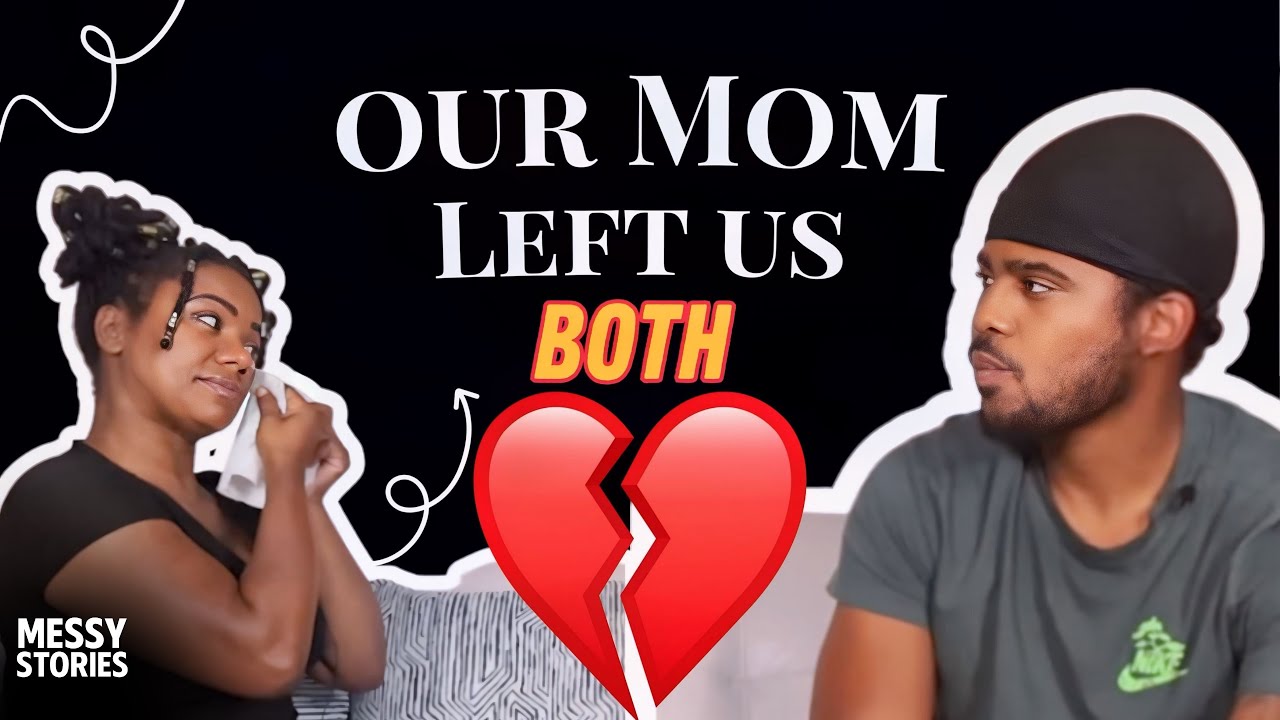
A TikTok creator came forward with a multi-part account of why she made the devastating decision to sever ties with her whole family — not one bad actor, not one falling-out, but everyone — in order to protect herself and her children. And when you hear what she was actually protecting them from, the question stops being 'why did she leave?' and becomes 'how did she survive long enough to get out?'
The Betrayals That Built Up: Cousins, a Grandfather, and Parents Who Couldn't Show Up
What makes this story so gutting is the layered nature of the betrayal. It wasn't one catastrophic event she could point to and say 'that's the moment.' It was a pattern — a slow accumulation of violations by people who held trusted positions in her life and used them as cover.
Cousins who were supposed to be safe people — family, the ones you grow up with, the ones who are practically siblings — exploited that trusted proximity in serious ways. A grandfather committed acts that crossed what she describes as fundamental boundaries, the kind that don't get walked back or explained away at a family dinner. And layered underneath all of it were parents battling addiction, which meant the adults who were supposed to be the safeguard, the ones standing between her and harm, were themselves unavailable in the most critical ways.
This is the specific cruelty of that combination: addiction doesn't make someone evil, but it does make them absent. And absent parents are exactly the environment where predatory family members operate most freely. Curtis talked about this directly in the reaction — how predators specifically seek out children who lack strong protection, who don't have a consistently present adult in their corner. The vulnerability isn't incidental. It's the target. That realization, once you sit with it, is genuinely chilling.
She wasn't just dealing with individual bad people. She was dealing with a family system that, whether intentionally or not, created the conditions for harm and then failed to reckon with it.
The Impossible Math of Choosing Safety Over Tradition
Here's what nobody tells you about cutting off family: it doesn't feel like freedom, at least not at first. It feels like grief. It feels like failure. It feels like you are the one doing something wrong, because every cultural script you've ever been handed says that family is unconditional, and you are the person making it conditional.
This creator didn't just cut off people who hurt her. She cut off everyone — which means she also let go of anyone who might have been neutral, or who she might have loved, because the system itself had become unsafe. That is an enormous thing to carry. And it's a decision that doesn't come from anger or drama. It comes from a very quiet, very devastating moment of clarity where you realize that your children's safety and your family's comfort cannot coexist, and you have to choose.
Curtis opened up about his own fears as a father during the reaction, which — if you've watched us for any amount of time — you know he doesn't do lightly. The idea that you could do everything right and still miss something, still leave a gap that someone exploits, is the specific horror that lives rent-free in every protective parent's head. His instinct to put kids in a 'bubble' isn't paranoia. It's pattern recognition. It's what happens when you understand that the threat isn't usually a stranger.
For anyone who has made a similar call — who has sat across from their own family loyalty and said 'I love you but I cannot let you near my children' — this story is going to land somewhere deep and specific. Not because it's dramatic. Because it's familiar.
What We're Still Sitting With After Watching This
The question this story leaves hanging is the one that matters most: what were the specific moments that finally tipped the scale? What was the incident, or the series of incidents, that made her say this is it, we are done? The full picture is still unfolding across her TikTok account, and honestly, that ongoing nature makes it hit harder — because this isn't a tidy narrative with a bow on it. It's a real person still processing a real decision in real time.
What we do know is that she became, as the recap puts it, 'the sole guardian of her family's safety.' She stopped waiting for someone else to protect her and her kids and decided she would be that person. That's not a small thing. That is the kind of shift that rewires your entire sense of self. And it's worth witnessing.
Our take
Look, we say this with full love and zero judgment toward anyone still in the thick of it: 'but they're family' is not a safety plan. Curtis and I both come from complicated family situations, and we know firsthand how hard it is to stop treating blood relation as a moral credential. This woman watched people she was supposed to trust exploit that trust in some of the most serious ways possible, watched the adults who should have protected her fail to do it, and then made the hardest call — not for herself, but for her kids. That's not cutting people off out of pettiness or drama. That is motherhood at its most raw and most serious. We're not here to celebrate family estrangement like it's a lifestyle upgrade. We're here to say: sometimes it's the bravest, most loving thing a person can do. We see her.
Protecting your children from harm doesn't become less valid just because the harm is coming from inside the family — sometimes the most radical act of love is deciding that safety matters more than tradition.