The Most Dangerous Sentence in the English Language: 'I Was Just Trying to Help'
We say this with full love and zero judgment: some of the most life-altering mistakes people make don't start with malice. They start with loyalty. They start with caring about someone so much that your brain quietly turns off the part that asks, 'wait — why exactly does this need to be done this way?' That's the entry point for this story, and honestly, it's the part that makes it so hard to look away.
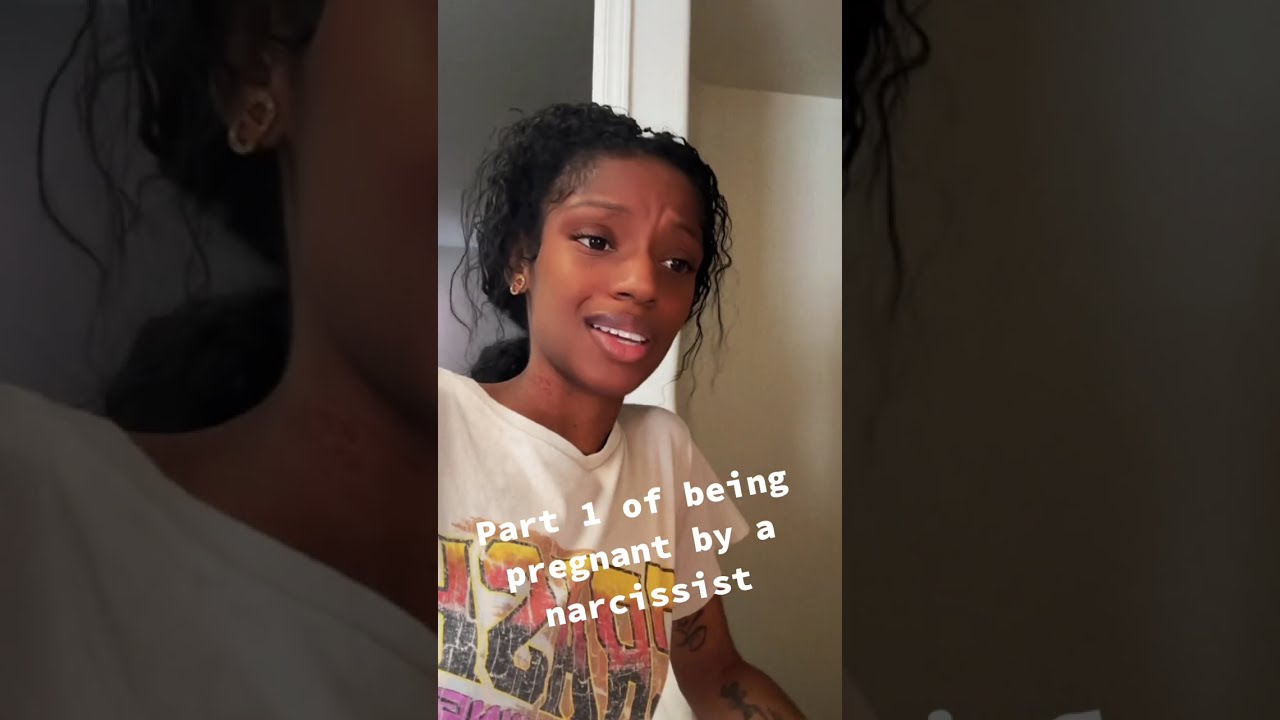
A woman — whose account you can find over on TikTok at @nakiyyahfields — sat down and told her truth: she got pulled into what she believed was helping someone she cared about. That's it. That was the whole justification at the start. Packages came. Money moved. Drop-offs happened. And at each step, we'd guess there was a reason, an explanation, maybe even a sense of urgency that made questioning it feel like a betrayal of the person she loved. We've all been in some version of that dynamic — maybe not at this scale, but that feeling of 'I can't ask too many questions or it means I don't trust them'? That's not rare. That's a manipulation playbook so common it practically has a copyright.
How a 'Favor' Becomes a Federal Crime
Here's what we want people to really sit with: money mule operations are specifically designed to look like nothing. That's the whole architecture. The person at the center of the scheme — the one actually orchestrating it — insulates themselves by getting someone else to be the hands, the face, the address on the package. And who better to recruit than someone who loves you and already trusts you?
According to her account, the involvement escalated. It wasn't one thing — it was a pattern. Receiving packages. Handling money. Conducting drop-offs. Each step probably felt manageable because the last step had been manageable. That's the escalation trap, and federal prosecutors understand it intimately, which is exactly why they treat it the way they do. The law doesn't require that you masterminded the scheme. Participation — knowing or unknowing, though 'unknowing' gets harder to argue the more steps you took — is enough to land you in serious legal territory.
And then the day arrived. Federal agents at her door. Charges she hadn't anticipated, at least not at that magnitude. No bond eligibility initially, which means she sat with the full weight of what was happening without the buffer of going home to process it. Pre-trial proceedings, which anyone who's been adjacent to the legal system knows can be their own grinding, anxiety-soaked ordeal. And ultimately, a plea deal — one that still came with a prison sentence. A real one. Years of her life.
The Question Nobody Wants to Answer Honestly
The question Curtis and I kept coming back to while going through this story is the same one she seems to be wrestling with herself, and the same one the comments on her video are clearly divided on: did she know?
And here's the thing — we don't think that's always a clean yes or no. There's a whole spectrum between 'fully informed co-conspirator' and 'had absolutely no idea.' Somewhere in the middle lives 'I had a feeling something wasn't right but I loved this person and I didn't want to know.' That middle space is where a lot of people who end up in situations like this actually live. It's not innocence exactly, but it's also not the cold calculation people imagine when they hear 'federal charges.'
What her story does — and why we think it matters beyond just being a wild watch — is show the real-world cost of that middle space. The 'I didn't ask questions' tax, if you want to call it that, can be paid in years. Federal years. And no amount of love for the person who put you in that position makes the sentence shorter.
There are red flags here that are worth naming plainly, because this pattern shows up more than people realize: being asked to receive things at your address on someone else's behalf, handling cash in ways that feel vague or urgent, being given explanations that technically answer your question but leave you feeling like you shouldn't ask again. Any one of those things alone might be explainable. All of them together, escalating? That's a moment to stop. Full stop.
Our take
Look — we're not here to pile on someone who already paid an enormous price. What we will say is that her willingness to tell this story publicly, in detail, is genuinely brave and genuinely useful. Because the 'I was just helping someone I cared about' pipeline into serious criminal exposure is real, it's common, and it preys on exactly the kind of loyal, loving people who would never describe themselves as criminals. The system doesn't always distinguish between the mastermind and the person who got swept up, and that's a brutal truth she learned firsthand. If even one person watches her account and pauses before accepting a 'favor' that doesn't quite add up — before letting love override the part of their brain whispering that something is wrong — then her story did something. We're rooting for her on the other side of all of this.
Love is not a legal defense, and loyalty to the wrong person can cost you years you can't get back — her story is the cautionary tale we all need to watch before we ever say yes to a 'favor' we don't fully understand.