The Gift That Doesn't Feel Like a Gift
We've all had that moment where someone does something nice for us and something tiny in our gut whispers: wait. You push it down because you don't want to be ungrateful. You don't want to be the person who receives a kind gesture and immediately starts looking for the catch. That's not who you want to be. So you smile, you say thank you, and you let it go.
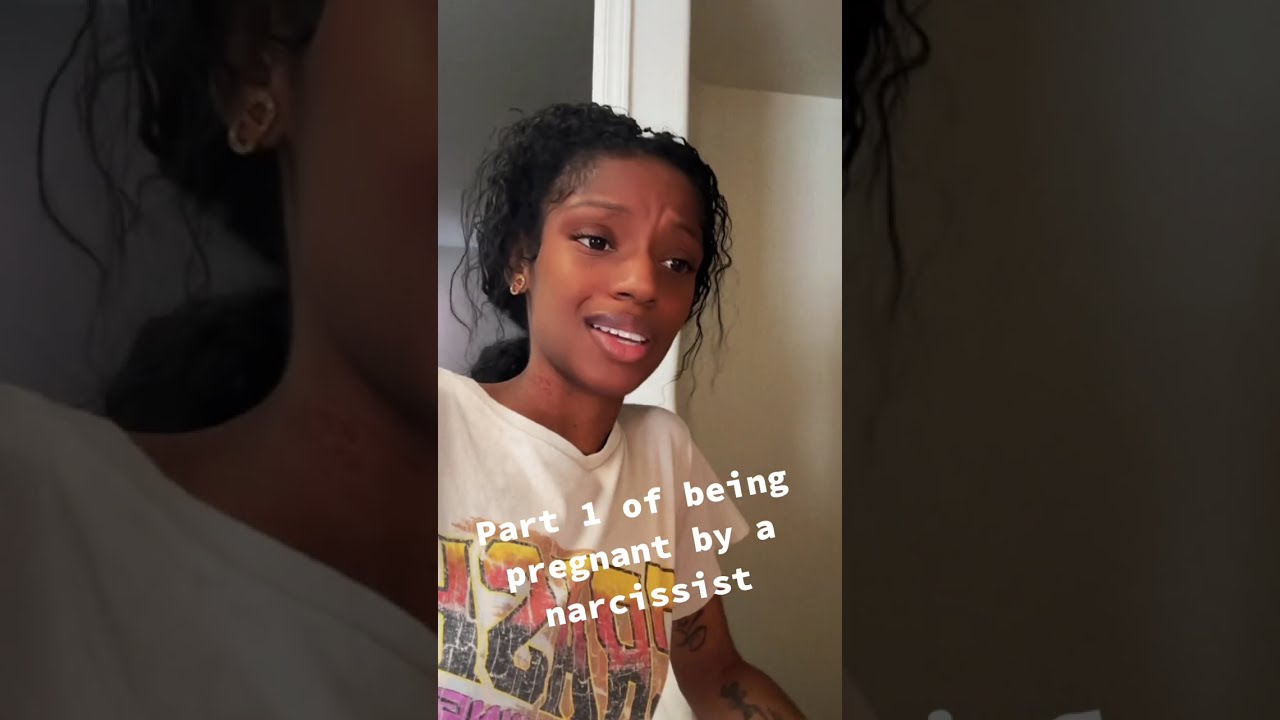
That's exactly where this story starts. A friendship. A wealthy friend. And what looked, on the surface, like genuine generosity — the kind that makes you feel seen and cared for. According to the story shared by @briology, the support came in gradually. Gifts, help, acts of kindness. Nothing that screamed red flag on its own. And that's the thing about this kind of manipulation — it almost never announces itself. It shows up dressed as love.
Strings Attached: How Generosity Becomes a Leash
Here's what nobody talks about enough: financial generosity, when it comes with unspoken expectations, is not generosity at all. It's a transaction disguised as a gift. And the cruelest part? The person receiving it often doesn't find out about the price tag until they try to walk away.
That's the pattern that unfolded here. What started as helpful support gradually shifted. The dynamic stopped feeling like friendship and started feeling like something else — something with weight to it, with obligation baked in. The millionaire friend's behavior escalated toward what the recap describes as obsessive tendencies. Control. Manipulation. The kind of escalation that happens so slowly you almost don't notice until you're already deep inside it.
We talk about this kind of thing a lot on Messy Stories because it is so much more common than people realize. Financial power is one of the most effective tools of control in any relationship — romantic, platonic, familial. It creates dependency. It manufactures gratitude. It makes the person on the receiving end feel like they owe something they can never fully repay. And once that dynamic is established, it is genuinely hard to escape without feeling like the villain of your own story.
The red flags, in retrospect, are almost always there: gifts that come with commentary about your choices, help that arrives alongside subtle criticism, generosity that seems to track your behavior and increase when you're compliant and cool when you're not. That's not friendship. That's a system.
The Reckoning: When You Finally See It Clearly
The recap tells us there was a critical turning point — a moment that forced a real reckoning with what this relationship actually was. We don't know exactly what that moment looked like, and honestly, that's what makes it so compelling to sit with. Because we've seen enough of these stories to know that the wake-up call rarely comes gently. It usually arrives like a bucket of cold water: sudden, shocking, and impossible to un-feel.
What we do know is that by the time the situation reached its breaking point, she was already deep in a web of obligation and emotional manipulation that was threatening her autonomy and wellbeing — the recap's words, and they land hard. Autonomy. That's the thing that gets quietly dismantled first in these dynamics. Your ability to make choices that are just yours, without calculating what it costs you in someone else's goodwill.
The question the story leaves us sitting with — will she find the strength to break free and reclaim her independence — isn't just a cliffhanger. It's a real and heavy thing. Because breaking free from financial entanglement is not just emotional work. It's practical, logistical, sometimes terrifying work. Especially when the person holding the strings has resources and you've been made to feel like you don't.
Why This Story Hits Different
We keep coming back to stories like this one because they expose something uncomfortable: how much we want to believe in uncomplicated kindness. We want the generous friend to just be generous. We want help to just be help. And when someone offers it, the social pressure to accept graciously — without questioning motives, without seeming paranoid — is enormous.
But this story, as it unfolds, is a masterclass in why it matters to pay attention to how generosity makes you feel over time, not just in the moment. Does it make you feel more free, or less? More yourself, or more careful? Those questions matter. The answers matter even more.
Watch this one unfold. It's the kind of story that stays with you.
Our take
Curtis and I watched this one and just kept looking at each other like — *yeah, we know this pattern*. The slow build is what gets us every time. Nobody hands you a contract that says 'these gifts come with control.' It's incremental. It's warm. It's designed to feel like love until suddenly it doesn't. What really wrecks us about this story is the autonomy piece — the way someone's ability to just *be themselves and make their own choices* gets quietly eroded over time through financial dependency. That's not friendship. That's ownership with better branding. We are rooting so hard for her to get out clean, reclaim her footing, and never feel like she owes someone her freedom in exchange for their 'help.' Nobody's generosity is worth that price.
Generosity that comes with invisible strings isn't kindness — it's leverage. Pay attention to how someone's giving makes you feel over time, because the cost of 'free' help can be higher than anything on a price tag.