The Loss Nobody Prepares You For (And We Mean The Second One)
There's the grief everyone talks about — the one that hits the moment you find out someone you love is gone. The floor-dropping, can't-breathe, nothing-will-ever-be-the-same kind. And then there's the grief nobody warns you about: the one that comes when the people around you decide you don't deserve to feel it.
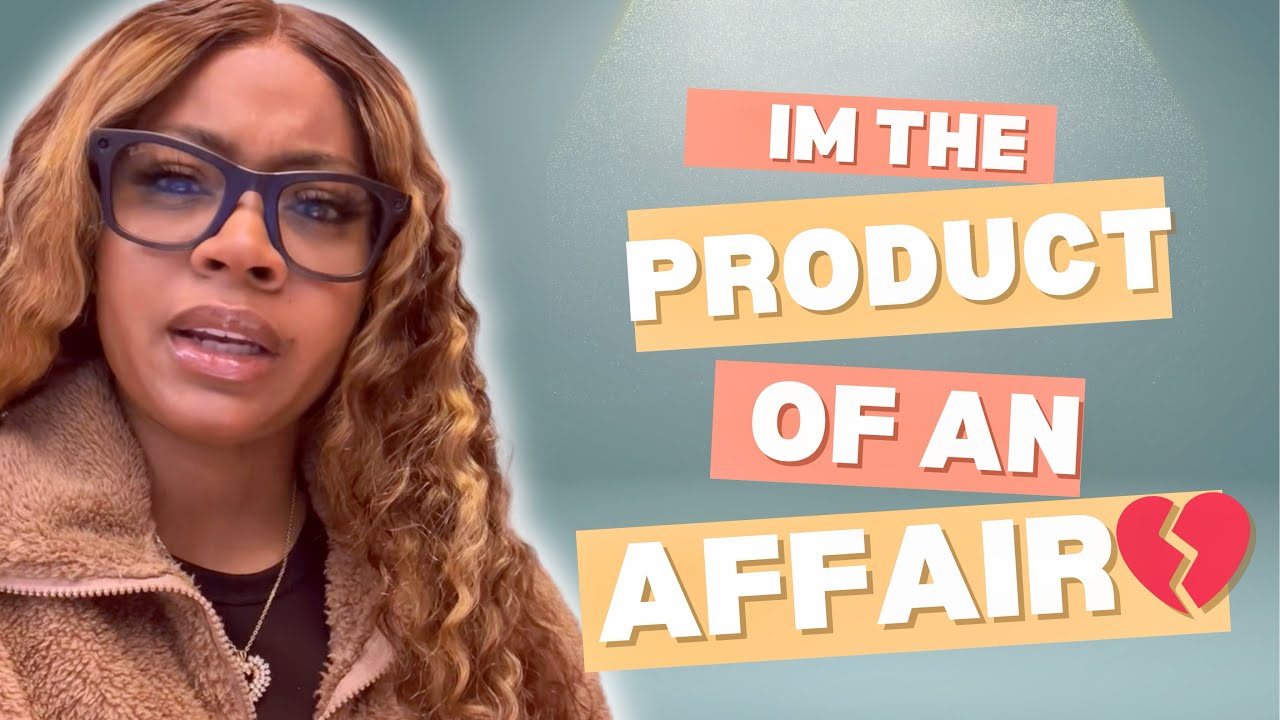
That's the story @lordkierra came to TikTok to tell, and honestly? We were not prepared. She opens up about losing her boyfriend five years ago — not to illness, not to an accident quietly absorbed by time, but to being killed. That word alone carries a specific, shattering weight. And yet somehow, in the wreckage of that loss, she found herself fighting a second battle: the battle to simply be recognized as someone who was grieving.
We talk a lot about grief on this platform because loss has a way of cracking relationships open and showing you exactly what's inside them. But what happens when the crack reveals something ugly? When the people who should be holding you up are the ones doing the pushing? That's where this story lives, and it is not a comfortable place to sit.
Candle Lightings, Funeral Tension, and Being Cast as the Villain
The details she shares from those early days are the kind that stick with you. The candle lightings — those raw, public moments of communal mourning where everyone gathers to say 'we loved him' out loud — became spaces where she felt iced out rather than held. The funeral arrangements, which should have been about honoring someone she deeply cared for, became charged with tension she hadn't anticipated and didn't ask for.
And then came the move that, frankly, made us put our phones down for a second: a past incident — something from before his death, something already lived through — was pulled back out and used against her. Weaponized. Deployed specifically to paint her as the villain in the story of his life and death. We don't know the specifics of what that incident was, and honestly, that almost doesn't matter, because we've seen this playbook before. When people are in pain and need somewhere to put it, sometimes they find a target. And the girlfriend — the one without the legal paperwork, the one who isn't 'family on paper' — can become that target with terrifying speed.
What makes this particularly gutting is the timing. This wasn't a conflict that happened months later when everyone had space to process. This was the immediate aftermath. The days and weeks when she needed support the most were the exact days she was being pushed to the margins of a grieving process that was absolutely hers to participate in.
The 'Not Family on Paper' Problem Is Very, Very Real
Here's something we think about a lot, and this story brings it screaming to the surface: our culture has a deeply uncomfortable relationship with grief that exists outside of legal or biological bonds. A girlfriend — no matter how long, how serious, how intertwined her life was with his — can find herself with almost no formal standing in the aftermath of a death. No automatic seat at the planning table. No protected role at services. No one whose job it is to check on her.
And when the people who did have that standing decide, for whatever reason, that she's unwelcome? She's just... out. Healing alone, as @lordkierra puts it so plainly and so painfully in her title.
We want to be careful here because we only have her account, and grief makes everyone behave in ways they might not otherwise. People in mourning can be cruel without meaning to be monstrous. But 'understandable' and 'okay' are not the same thing, and what she's describing — the exclusion, the blame, the weaponized history — goes beyond the messiness of collective grief. That's a specific choice to sideline someone. And five years later, she's still carrying it, which tells you everything about how deep that second wound went.
Our take
Curtis and I went back and forth on this one because grief is so genuinely complicated — people act out, they project, they protect, and sometimes they do all three at once toward someone who didn't deserve any of it. But here's where we landed: there is no version of 'we're hurting' that justifies pulling up old incidents to exile someone from mourning the person they loved. That's not grief talking. That's something more deliberate. What @lordkierra is describing — being made into a villain in the story of her own loss — is a specific kind of cruelty, and the fact that she's sharing it five years later tells us she never fully got the acknowledgment she needed. We hope this is part of getting it. Drop a heart in the comments for her, MessyFam. She earned it.
Grief doesn't care about legal paperwork, and neither should the people who claim to have loved the same person. If you've ever had to heal alone after a loss, you already know: the second wound sometimes takes longer to close than the first.