When Family Becomes the Last Line of Defense
There's a version of family that exists in greeting cards and holiday photos — the kind where everyone shows up, does right by each other, and nobody ever has to make an impossible choice. And then there's real life, where sometimes the most dangerous place a child can be is inside their own home, with their own parent. Auntie Hood knows that second version intimately.
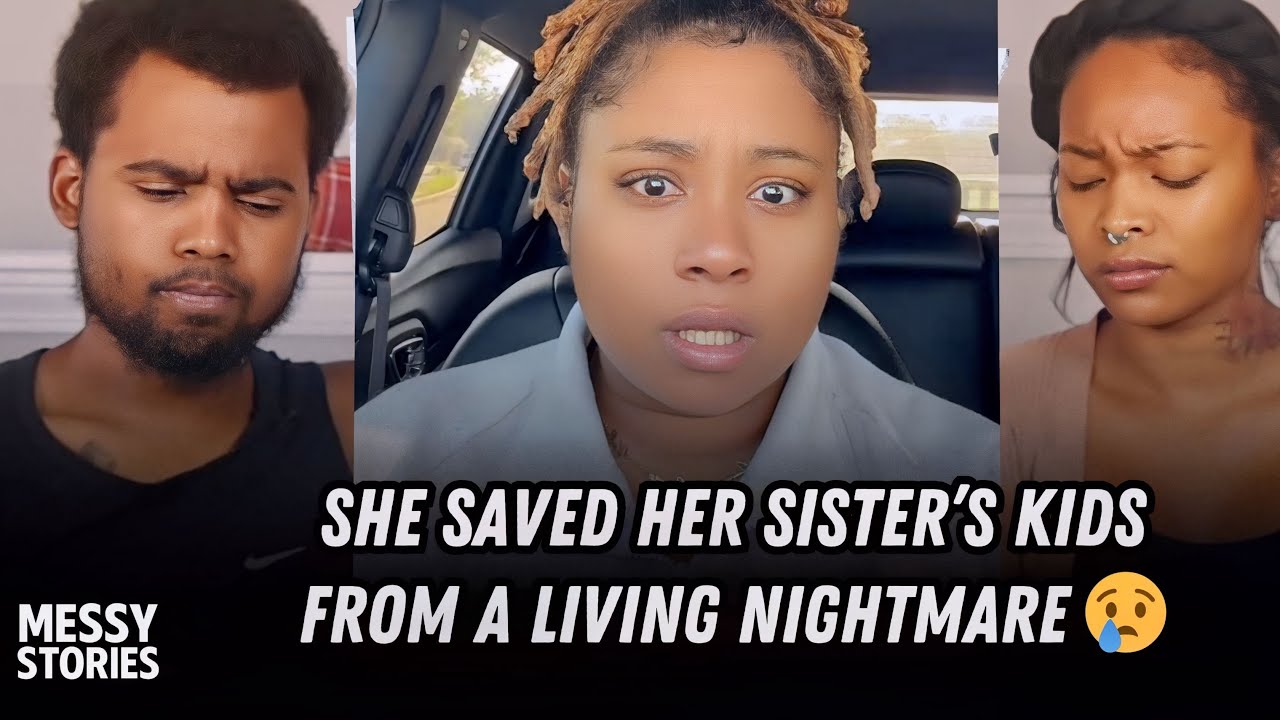
Sharing her story on TikTok under the handle @auntihood, she describes the harrowing sequence of events that led to her gaining full custody of her sister's children. We're not talking about a messy divorce or a disagreement over parenting styles. We're talking about severe abuse — the kind that put one of those children in the ICU, requiring brain surgery. Let that land for a second. A child. Brain surgery. Because of what happened to them at home.
When we first heard this story, we had to sit with it for a minute before we could even talk about it. Because there's a particular kind of grief that comes with learning a child was hurt by someone who was supposed to love them most. And then there's a second wave — the anger — when you find out the systems designed to catch exactly this kind of situation were asleep at the wheel.
A Two-Year-Old Hidden Away, and a System That Looked the Other Way
The details Auntie Hood shares are not easy to sit with, and they shouldn't be. Alongside the child who required brain surgery and time in the ICU, there was another child — only two years old — who had been hidden away and found with bruises. A toddler. Hidden. That word alone tells you everything about the intent behind what was happening in that home.
What makes this story cut even deeper is the documented failure of child protective systems to intervene before things reached this point. Auntie Hood's account raises the kind of questions that don't have clean answers: How many times did someone have to look away? How many check-ins were missed, reports filed and forgotten, or warning signs dismissed before two children ended up fighting for their lives?
This is unfortunately not a rare story. Families across the country know what it feels like to watch a system move slowly — or not at all — while children are in danger. The bureaucratic gaps are real, the caseload pressures on workers are real, and the consequences of those failures are also very, very real. They show up in ICUs. They show up in bruises on toddlers. They show up in the nightmares of children who deserved so much better.
Red flags, in retrospect, are almost always visible. A child who is hidden rather than presented. Injuries that don't match explanations. A parent who controls access and information. These are the patterns that, when taken together, should trigger urgent intervention — and when they don't, it falls on family members like Auntie Hood to become the safety net the system refused to be.
What It Actually Takes to Step Into That Role
Let's be honest about something: taking custody of a sibling's children is not a simple act of love, even when it is absolutely an act of love. It is logistically overwhelming, emotionally brutal, and legally complicated. You are simultaneously grieving the family you thought you had, fighting for children who are traumatized, and becoming a full-time caregiver — often without warning, often without resources, and almost always without a roadmap.
Auntie Hood reflects on the strength required to step in when institutions fail, and we want to honor that without sugarcoating it. Strength in this context doesn't mean you're not exhausted. It doesn't mean you're not scared. It means you do it anyway, because the alternative — leaving those kids without someone in their corner — is unthinkable.
The children she's now caring for carry real trauma. Brain surgery is not a thing a child just bounces back from. Bruises heal faster than the psychological imprint of being hidden, of being hurt by someone you depended on. The road ahead for these kids is long, and Auntie Hood is walking it with them. That deserves to be named out loud.
As for accountability — whether those responsible will face real consequences — that question remains open. Auntie Hood raises it herself, and so do we. Justice in cases like this is never guaranteed, and the families left holding the pieces often have to find a way to move forward even when the system fails them twice: once by not protecting the children, and again by not delivering consequences.
Our take
Curtis and I talked about this one for a long time after we watched it, and honestly, we're still not fully through it. What Auntie Hood did — stepping in, fighting for custody, becoming the safe place for children who had every reason not to trust adults — is the kind of thing that doesn't get enough credit in our culture. We celebrate big dramatic gestures, but this? This is quiet, grinding, daily heroism. We're also genuinely furious on behalf of these kids that the system had chances to intervene and didn't. That's not an abstraction — that's a child in the ICU. A toddler with bruises. We hope with everything we have that these children get the support they need to heal, and that the people responsible are held fully accountable. Auntie Hood, we see you. MessyFam, this one matters.
When institutions fail children, it's often family who has to become the institution — and that kind of love deserves both our recognition and our outrage that it was ever necessary in the first place.