The Pages No One Was Supposed to Read
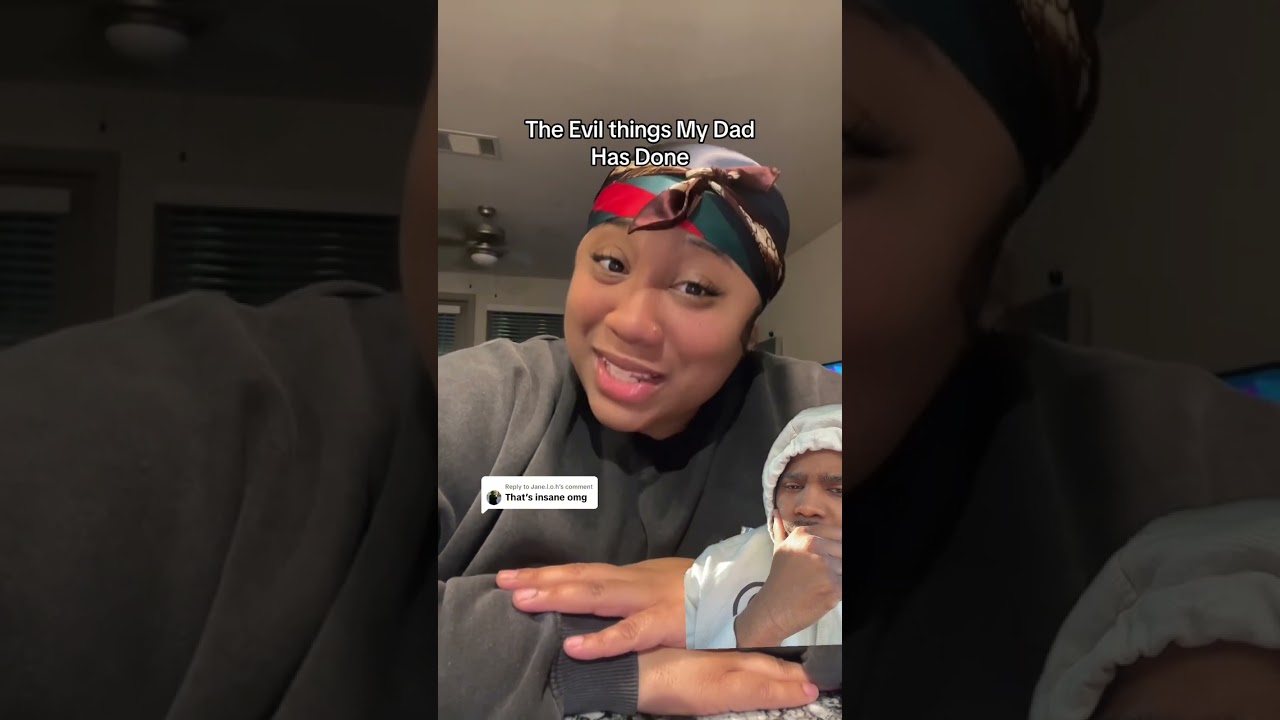
Some stories you watch and want to argue with. This one we just sat with, quiet, for a long time. A woman loses her brother Tyler. That alone is the kind of grief that reorganizes a person's whole nervous system. And then, in the wreckage of that loss, she finds his journals.
We don't know what we expected those pages to say, but it clearly wasn't this. According to her account, the journals document years of what she describes as control, isolation, and abuse inside the home they grew up in together. Not a one-off bad day. Not the normal scrapes of family life. Patterns. Tyler, it seems, had been quietly writing down the things nobody was saying out loud.
What hits us about journals specifically is how private they are. People write in journals when there's no one safe to tell. That's the part that aches. If Tyler felt he could only put the truth on paper, in a place meant for no eyes but his own, then he was carrying something enormous, and carrying it largely alone.
Two Kids, One Childhood, A Whole Different Memory
As she goes back through their shared upbringing, the sister starts naming patterns that a lot of you in the MessyFam are going to recognize in your gut before your brain even catches up. Parentification is the big one she points to. For anyone who hasn't heard the term, that's when a child gets handed the emotional or practical job of being the adult, propping up the household, managing feelings that were never theirs to manage.
The other thread is isolation. She describes a family that became increasingly cut off from outside support and help. And that's the detail that makes our chests tighten, because that's not an accident. When a household slowly loses its connections to the outside world, the people inside lose their witnesses. Their reality checks. The friend who would've said, 'hey, that's not normal.'
Here's what stands out to us most: she and Tyler grew up under the same roof, and yet his journals seem to have revealed a version of home she's only now fully understanding. Siblings can survive the same childhood and walk away holding completely different pieces of it. The journals didn't just tell her about Tyler. They seem to have re-told her about her own life.
When a Funeral Becomes a Crime Scene of the Heart
This is where the story shifts from heartbreaking to genuinely alarming. The sister describes chaos erupting at Tyler's funeral, and questions arising about missing evidence. We're choosing our words carefully here, because we don't know what the evidence was or what happened to it, and we won't pretend to. What we can say is that a funeral is supposed to be the one space where grief gets to breathe. When that space turns into conflict, it tells you the conflict was always there, just buried under appearances.
Then comes the heaviest allegation of all: that their mother actively tried to silence family members from speaking about what had happened. Whether anyone wants to talk or not in a moment of loss is one thing. Being pressured into silence is another thing entirely, and it's the kind of pressure that can make a grieving person question their own memory.
The red flags we'd flag, gently: a story that keeps needing to be controlled. A household with no outside witnesses. Evidence that goes missing right when it matters. None of that proves any single thing on its own. But all of it together is the reason this sister stopped staying quiet.
What Would We Even Do With Pages Like That
Put yourself in her shoes for a second, because we did, and it's brutal. You're already drowning in grief. Then you find proof that your brother was suffering in ways you maybe half-suspected and half-talked-yourself-out-of. Do you stay quiet to keep what's left of your family intact? Or do you speak, knowing it might blow the whole thing apart and turn the people you have left against you?
There's no clean answer. Speaking up can feel like betrayal even when it's actually loyalty, loyalty to the person who can no longer speak for himself. And the source frames her decision as exactly that: she exposed what she found because of what was in those pages. The specific details that finally broke her silence are hers to reveal, and you can watch the full account unfold in the video.
What we keep coming back to is Tyler. He wrote it all down. On some level, maybe he hoped someone would one day read it and finally believe him. His sister did. That part, at least, is not nothing.
Our take
Our take: this isn't gossip for us, and we won't pretend it is. A young man is gone, and the only voice left telling his side is the one he saved in a notebook. That's devastating. We want to be fair, because these are real people and we don't have a courtroom's worth of facts, just one sister's account. But honestly? When we hear isolation, parentification, a chaotic funeral, missing evidence, and a parent allegedly pushing everyone into silence, the pattern speaks loudly. Silence is how this kind of thing survives for years. So whatever the full truth turns out to be, we respect her for refusing to bury it twice. If you grew up walking on eggshells and reading the room before you read anything else, this one's going to land hard. Be gentle with yourself watching it. We had to pause it more than once.
Sometimes the bravest thing a grieving person can do is refuse to let a story stay quiet, even when staying quiet would be so much easier. Tyler wrote it down, and his sister chose to read it out loud.