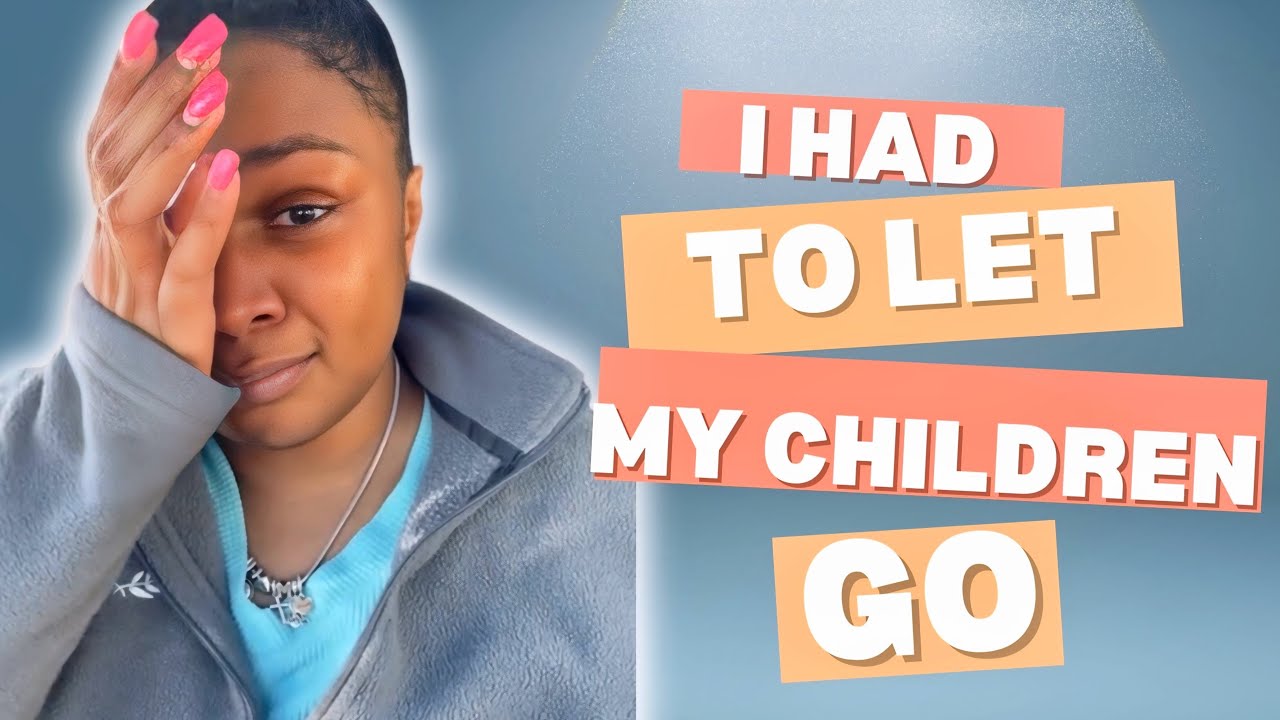
The Trust That Made It Possible
There is a specific kind of trust that exists between a parent and their own father — one that gets built over decades, quietly, without question. He's the man who raised you. He held you when you were small. So when you have a child of your own, handing that baby over to Grandpa feels like the most natural thing in the world. It feels like safety. That's exactly what makes what happened here so completely devastating.
This mother trusted her father completely. That's not naivety — that's how family is supposed to work. Grandparents are supposed to be the soft place to land, the people who love your children with the kind of uncomplicated tenderness that parents sometimes can't access when they're exhausted and overwhelmed. The access he had to this little girl existed because love and trust opened the door. And he walked through it and did something unforgivable.
When the discovery came — that her father had sexually abused her four-year-old daughter — it didn't just break her heart. It retroactively contaminated every memory, every moment of trust, every time she'd felt safe in his presence. That's one of the cruelest dimensions of abuse by a family member: it doesn't just wound the future. It reaches back and rewrites the past.
The Weight of 'How Did I Miss This'
One of the first places a mother's mind goes in a moment like this is straight to guilt — and we need to talk about that, because it matters. The question 'how did this happen under my watch' is one that will haunt her, and it's also one that the people around her may quietly (or not so quietly) be asking too. That guilt is both completely understandable and completely misplaced.
Predators who abuse within families are not careless. They are calculated. They choose victims who cannot articulate what happened to them — a four-year-old does not have the language, the framework, or the safety to come forward easily. They choose moments when no one is watching. They rely on the very trust that this mother extended in good faith. The abuse of a grandparent's access is a specific and vicious kind of violation because it exploits the assumption that this person is safe by definition.
She didn't fail her daughter by trusting her father. He failed everyone by being someone who should never have been trusted. Those are not the same thing, even though the grief and guilt can make them feel identical at 3am when you're replaying every moment you left them alone together. The self-blame is a natural response. It is not the truth.
When the Truth Comes Out: The Family Fallout
Here's what almost always happens when abuse is revealed within a family, and it is one of the most painful secondary traumas a survivor and their parent can face: people choose sides. Not everyone chooses the right one.
There will be family members who go quiet. There will be people who say things like 'are you sure?' or 'he would never' — as if the mother is making this up, as if a four-year-old is lying, as if there is any version of this story where the right response is skepticism toward the victim. There will be people who mourn the loss of the family unit more than they rage at the person who actually destroyed it. And that secondary abandonment — being left alone in your truth by the people who were supposed to have your back — can be almost as shattering as the original revelation.
The question of whether to report her own father is not a simple one, even though in terms of what is right, it absolutely is. Reporting means legal processes, interviews with a four-year-old, potential court proceedings, and the full public unraveling of a family. Not reporting means a predator remains free, potentially with access to other children, and a little girl grows up without the justice she deserved. This mother is being asked to make an impossible choice — and the answer to that question, and how her family responds when she makes it, is the thing that will define what's left of this family going forward.
Our take
We talk about a lot of messy situations on this site — cheating, betrayal, family drama — and most of it exists in some moral gray zone where we can see multiple sides. This is not that. There is no gray zone here. What this grandfather did is a crime against the most vulnerable person in his family, and the mother in this story is not the one who needs to be questioned or examined. She is a woman who loved and trusted her father and got the worst possible answer to that trust. What we keep coming back to is the loneliness of this moment. The grief isn't just for her daughter — it's for the father she thought she had, the family she thought was safe, the version of her life before she knew this. She has to hold her daughter's trauma AND her own. That's a weight no one should carry alone. We hope she has people around her who are choosing correctly. We hope she knows that reporting, as terrifying as it is, is the act of a mother who loves her daughter more than she fears the fallout. And we are rooting for both of them.
When a family member is the predator, the hardest part isn't always the discovery — it's surviving what happens after you tell the truth. This mother's story is a reminder that protecting your child will always be worth the cost of burning down a family that was never as safe as it looked.