The Story Nobody Wants to Tell Out Loud
Let's be honest — when most people hear 'mom gave up custody,' their brain goes somewhere dark immediately. We've been conditioned to see that choice as abandonment, as failure, as something a mother simply does not do. Society hands women this script the moment they become mothers: you fight, you sacrifice, you stay, no matter what. The end. So when a mom steps forward and says, actually, I made a different call — and here's why — it cuts against every expectation we have about what love is supposed to look like.
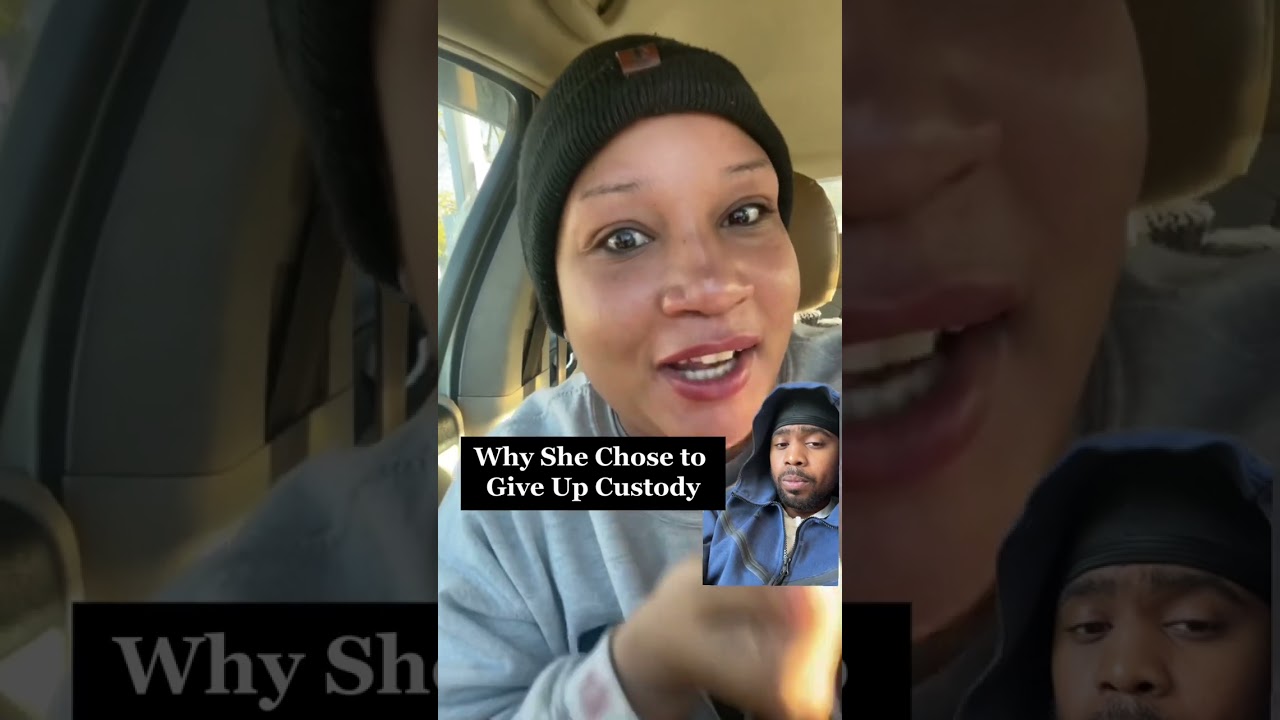
That's exactly what makes this story so worth sitting with. A mother from our Messy Stories community came forward to share something deeply personal: after facing an exhausting, seemingly endless cycle of court filings and personal struggles, she made the decision to relinquish full custody of her son to his father. Not because she stopped loving him. Not because she checked out. But because she looked at the situation with brutal honesty and concluded that continuing down the path she was on wasn't sustainable — for her or for her child. That kind of self-awareness is genuinely rare, and we think it deserves more than a snap judgment.
When the Legal System Becomes Its Own Kind of Trauma
Here's something people who haven't been through a custody battle often don't understand: the process itself can become the problem. It's not just emotionally draining — it's financially, physically, and psychologically destabilizing in ways that compound over time. Ongoing court filings aren't just paperwork. They're a drumbeat of conflict, a constant reminder that your family is a legal dispute, that your child's life is being measured and argued over in a courtroom. For some parents, the fight to 'win' custody gradually starts to feel indistinguishable from the damage the fight is causing.
This mom found herself in exactly that spiral. The details of her personal struggles aren't ours to speculate on — she's the one who lived them — but what she makes clear is that the path she was on felt unsustainable. And there's something really important in that word: unsustainable. It's not the language of someone giving up. It's the language of someone doing a hard, clear-eyed audit of reality. We've seen so many stories where parents stay in brutal legal battles for years out of pride, or fear of judgment, or genuine love that's gotten tangled up with ego — and the kids absorb every bit of that tension. This mom chose to ask a harder question: what does my son actually need, even if the answer is uncomfortable for me?
The Red Flags We're Trained to Miss in Ourselves
One of the most underrated forms of courage in parenting is recognizing your own limits before they become your child's crisis. We talk a lot about red flags in other people's behavior, but almost never about the warning signs we should be watching for in ourselves — especially when we're under enormous stress. So let's go there for a second, because this story invites it.
Red flag number one: when 'fighting for your child' starts to feel like it's more about winning than about their actual daily wellbeing. Red flag number two: when you're so depleted by the battle that you have nothing left to actually give once you're home. Red flag number three: when you catch yourself making decisions based on how they'll look to a judge, or to family, or to strangers on the internet — rather than what genuinely serves your kid. None of these make someone a bad parent. They make someone human, under impossible pressure. But they are signals worth heeding.
This mom heeded them. She describes her decision as coming from a place of love and honest acknowledgment of her own limitations — and we want to underline that second part, because it's the part people skip over. Acknowledging your limitations isn't weakness. In parenting, it might be the most advanced skill there is. The question her story leaves hanging — and it's a real one — is whether she'll find peace in that choice, and what her relationship with her son looks like on the other side of it.
What We're Watching For as Her Story Unfolds
She frames this as a journey toward a better future — for herself and for her son — and we're rooting for that to be true. What we don't know yet is how this decision settles over time. Custody arrangements that feel like relief in the short term can get complicated as kids grow older, as circumstances shift, as co-parenting dynamics evolve. The courage it took to make this call doesn't automatically make the aftermath easy.
What we do know is that she came forward to share this story, which tells us something. She's not hiding from it. She's not asking for absolution. She's saying: this is what happened, this is why, and here's what it cost me. That kind of transparency — especially on a topic this loaded — is exactly the kind of thing we built Messy Stories to hold space for. The messy, real, non-Instagram version of parenthood. Her resilience is evident. Whether the brighter days she's hoping for actually arrive? That part is still being written.
Our take
Okay, we talked about this one for a while before writing it, because our gut reactions weren't identical at first. Honade's first instinct was empathy — immediately, no hesitation. Curtis took a beat longer, not because of judgment, but because he kept thinking about the son and what this feels like from his side of it one day. And honestly? Both of those reactions are valid, and that's what makes this story so layered. What we kept coming back to is this: the mothers who are most vilified are often the ones being the most honest. Performative fighting that destroys everyone involved gets called devotion. Stepping back with clear eyes gets called abandonment. That framing is broken, and this woman is brave for challenging it publicly. We genuinely hope she finds what she's looking for — and that her son does too.
Sometimes the most loving parental decision is the one that looks nothing like love from the outside — and this mom's willingness to say that out loud, in a world that will judge her for it, is something we're not taking lightly.