The Stories That Are Hardest to Tell Are Usually the Most Necessary
We've heard a lot of stories in this community. Cheating, betrayal, family secrets that explode Thanksgiving dinner — the whole spectrum of human messiness. But every once in a while, something lands in our inbox that makes us go quiet. Not the dramatic, gasping kind of quiet. The heavy kind. The kind where you sit with it for a minute before you say anything at all.
This is one of those stories.
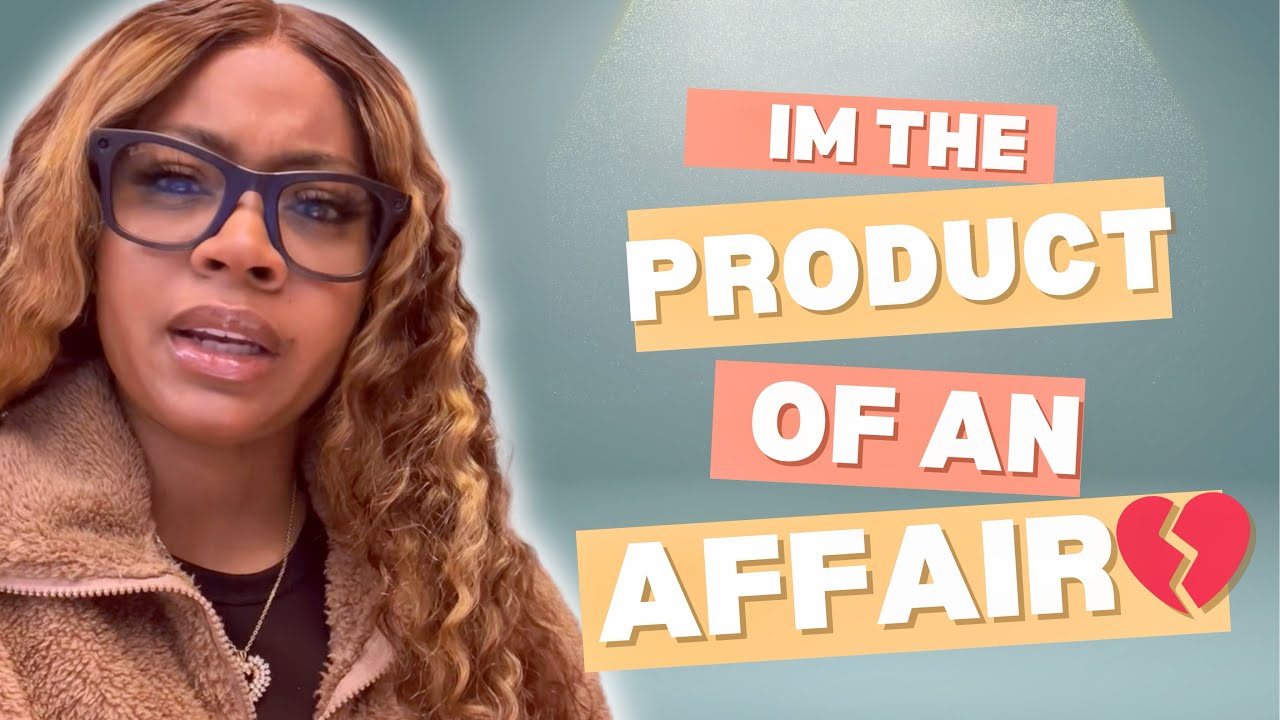
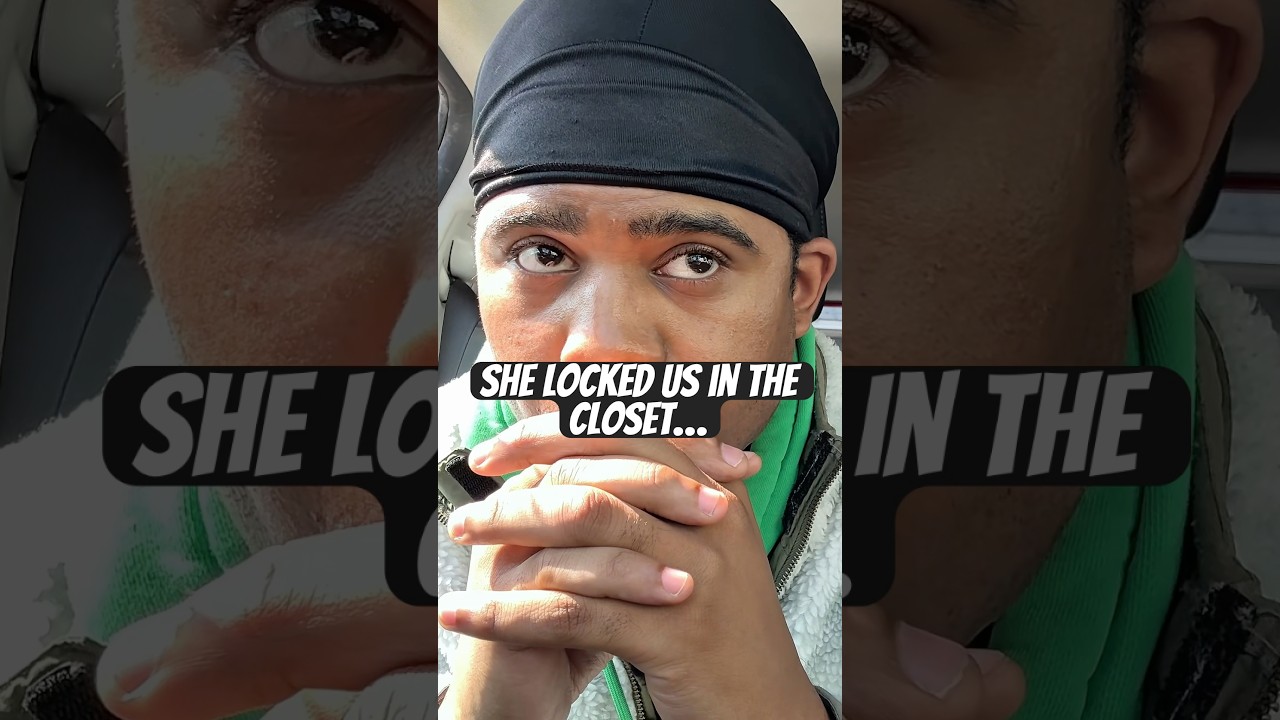
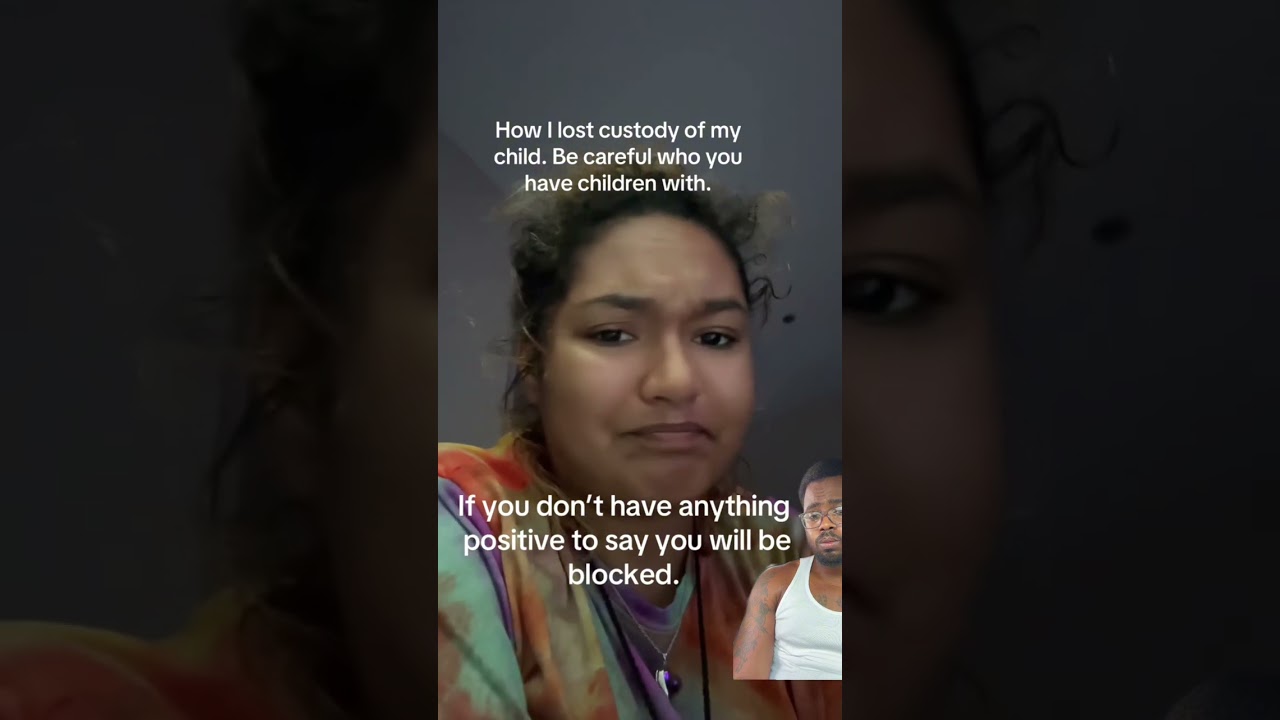
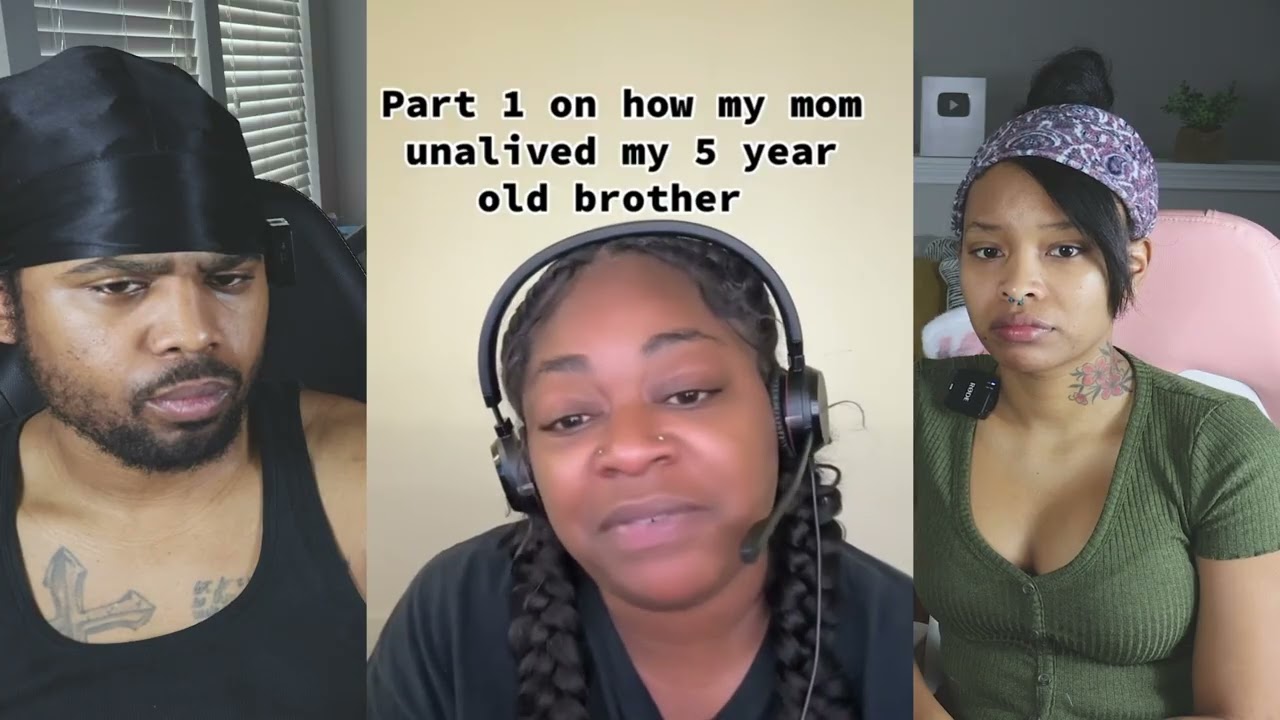
A member of the Messy Stories community came forward to share something deeply personal — a childhood experience involving both neglect and a punishment so cruel that it left a lasting mark on them and their sister. Not a metaphorical mark. The kind that doesn't fade. The kind you carry into every relationship, every moment of conflict, every time someone you love disappoints you and your nervous system quietly braces for the worst.
They're not sharing this for sympathy. They're sharing it because they know someone out there is sitting alone with something similar, convinced that what happened to them was either too small to matter or too big to ever say out loud. This story is for that person.
When 'Family' Becomes the Source of the Wound
Here's what makes childhood trauma so particularly brutal to process: it comes from the people who were supposed to be your safe place. When a stranger hurts you, your family is the refuge. But when the family IS the source of the cruelty? There's nowhere to run inside your own home. There's no one to tell. You just absorb it, normalize it, and carry it forward like it's part of your personality rather than something that was done to you.
The narrator describes a specific moment — a punishment that crossed every reasonable line — that became a defining rupture in how they understood trust, safety, and love. And critically, their sister was there too. That detail matters more than it might seem at first. Shared trauma within siblings creates this complicated bond: you're witnesses for each other, which is a gift, but you're also mirrors for each other's pain, which can make healing feel impossible when the other person is still hurting.
We've seen this dynamic play out in so many stories. Two kids in the same house, same moment, same wound — and they each carry it differently into adulthood. One becomes the people-pleaser. One becomes the one who cuts everyone off. Both are just trying to survive something they never should have had to survive in the first place.
What the narrator is doing by speaking up is refusing to let that moment stay buried. And that? That takes a specific kind of courage that we don't talk about enough.
The Red Flags We Normalize When We're Too Young to Know Better
One of the most insidious things about growing up in a dysfunctional or abusive environment is that you don't have a reference point. Kids don't come into the world with a manual that says 'this is what healthy looks like.' They look around at what they have and they build their normal from that. So when punishment crosses into cruelty, when neglect becomes the air you breathe, when love is conditional and volatile — you don't necessarily clock it as wrong. You clock it as just... life.
It's only later — sometimes much later — that the pieces start to rearrange themselves. Maybe it's a therapist. Maybe it's a partner who treats you gently and it feels so foreign it almost scares you. Maybe it's a moment like this one, where someone else names their experience out loud and suddenly you're sitting there thinking: wait. That wasn't okay. What happened to me wasn't okay either.
The narrator is essentially handing that moment of clarity to anyone who needs it. The question they leave hanging — have you ever had to forgive someone who didn't deserve it? — is not a small question. It's the question. Because forgiveness after this kind of wound isn't about the person who hurt you. It's about whether you're willing to stop letting them take up permanent residence in your chest. That's a deeply personal decision, and there is no universal right answer.
Why We Keep Making Space for Stories Like This One
We started Messy Stories because we believe the truth — even when it's ugly, even when it's uncomfortable — is better than the silence. Silence protects the wrong people. It lets the person who caused the harm walk through the world unbothered while the person they hurt spends decades quietly managing the fallout.
This narrator chose not to stay silent. They brought a painful chapter of their childhood into the light, not to burn anyone down, but to reach the people who are still in the dark with their own version of this story. That's an act of generosity, honestly. It costs something to tell a story like this. It costs something every single time.
We don't know how their healing journey ends. We don't know where they are with forgiveness, with family, with the sister who shared that experience. What we do know is that the act of telling is itself a form of reclaiming. You take the story back. You decide what it means. You stop letting it be the thing that happened to you in secret and start letting it be the thing you survived out loud.
If any part of this resonates with you, drop a comment. Or submit your own story at messystories.com/submit You don't have to carry it alone.
Our take
Curtis and I talked about this one for a while after we read it. There's something about childhood cruelty that hits differently than adult betrayal — because a child cannot consent to the relationship, cannot leave, cannot protect themselves. They just have to endure. And then they grow up and spend years figuring out what to do with all of that. The detail about the sister being involved wrecked us a little, honestly. Because now it's not just one person's wound — it's a shared one, and shared wounds are complicated in ways that solo ones aren't. We're holding space for this narrator and for everyone who recognized themselves in this story. The fact that they're talking about it means something. Silence was the other option, and they chose this instead. That matters.
Some wounds don't announce themselves — they just quietly shape everything until the day you finally decide to name them out loud. If this story found you, maybe that day is today.