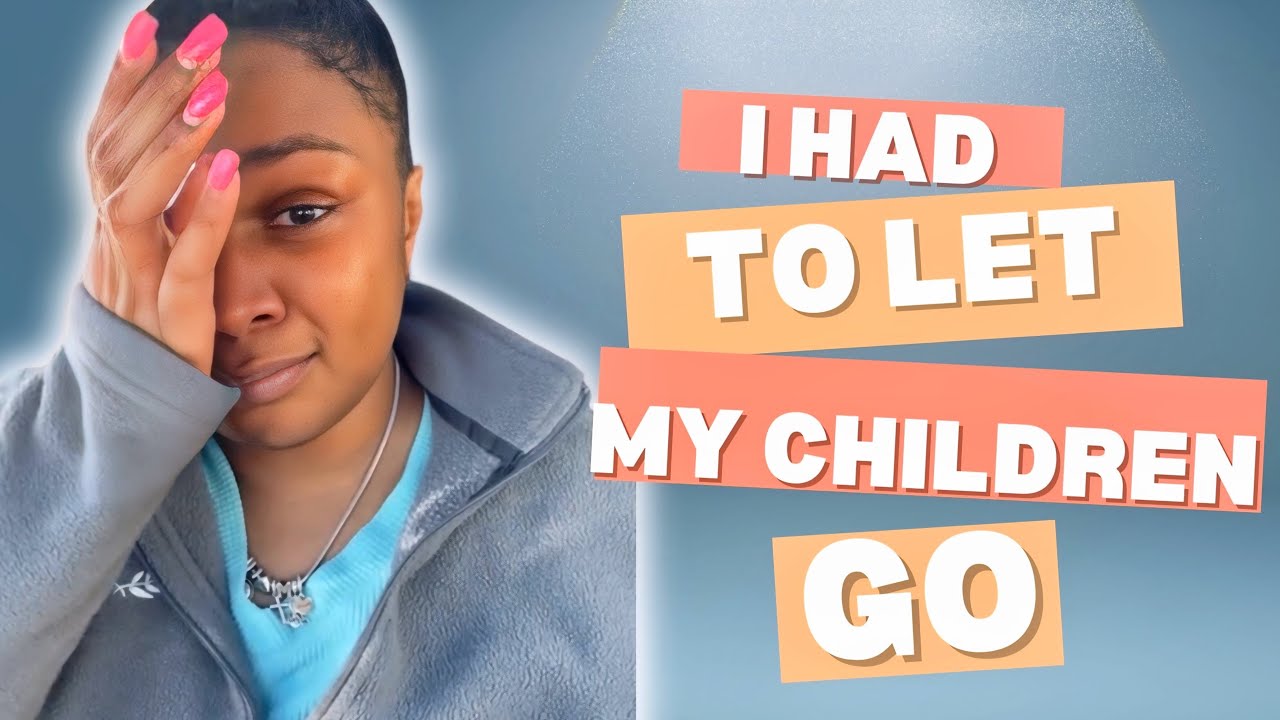
When the Story Changes, That's Already the Story
There's a specific kind of grief that doesn't get talked about enough — the kind where you're not just mourning a person, you're mourning the truth about how they left. Most kids who lose a parent at 14 are handed one devastating story and have to learn to live inside it. This young woman was handed three. Three different accounts. Three shifting versions of the same night. And even as a child — a grieving, overwhelmed, barely-a-teenager child — something in her gut said: this doesn't add up.
That instinct matters more than people give it credit for. Children are often dismissed when they express doubt about adult explanations, especially in the middle of family trauma. We're told we're too young to understand, too emotional to think clearly, too close to see straight. But sometimes the kid in the room is the only one paying close enough attention to notice that the story keeps changing. And a story that keeps changing is not a story. It's a cover.
Three Stories, Zero Consistency — What That Actually Signals
Let's talk about why conflicting accounts are so significant, because it's easy to give someone the benefit of the doubt when grief and chaos are involved. People misremember. Trauma scrambles details. We get that. But there's a meaningful difference between someone whose memory softens over time and someone whose story actively shifts — new details appearing, old ones disappearing, the core sequence of events reshaping itself depending on who's asking.
When the person offering those shifting stories is also the person who was present when someone died, that's not a grief response. That's a red flag the size of a billboard.
She grew up carrying this. Years of sitting with the version she was given, then the other version, then the one that contradicted both. Years of not being able to grieve cleanly because the ground beneath the grief kept moving. That's a particular kind of psychological weight — you can't fully mourn someone when you don't fully know what happened to them. The loss stays open. It doesn't scar over. It just stays raw.
She Grew Up and Started Digging — Here's Where It Gets Heavy
What we find genuinely remarkable about this story is that she didn't just accept the unease and move on. A lot of people do. It's easier, in some ways, to let the unanswered questions live in a drawer somewhere and build your life around the not-knowing. Confronting a parent — especially a surviving parent, especially one who controls the narrative of your childhood — takes a specific kind of courage that most of us honestly don't have.
But she went looking. Documents. Evidence. The paper trail that feelings alone can't provide. She's doing the work of piecing together what actually happened that night, which means she's also doing the emotional work of potentially confirming what she feared all along.
That's the part that gets us. Because investigating the truth about your father's death is one thing. Investigating it when your mother is the one whose story keeps changing — when your mother is the one who was there — means you're not just searching for facts. You're searching for whether the woman who raised you is the woman you thought she was. And that search doesn't come with a clean landing no matter what she finds.
What Happens When the Evidence Starts Talking
We're following this one closely because the deeper she digs, the more the story seems to complicate rather than clarify — and that tracks. The truth about a night like this rarely arrives in one clean revelation. It comes in pieces. A document that contradicts one version. A detail that only makes sense if a different sequence of events is true. The slow, awful accumulation of evidence pointing somewhere you didn't want to go.
What she's doing takes guts. It also takes a particular kind of love — the stubborn, grief-soaked insistence that her father's life and death deserve honesty, even if the honesty is devastating. Even if it costs her something. Even if the person on the other side of the truth is someone she shares DNA with.
We don't know yet what the evidence will ultimately reveal. We don't know what version — if any — is the real one. But we know this: when someone has to tell three different stories about the same night, they already know the truth. They're just hoping you won't find it.
Our take
Curtis and I have covered a lot of family betrayal stories, and the ones that hit different are always the ones where the person doing the investigating is also the person with the most to lose. She's not a detective. She's a daughter. And she's trying to reconcile two completely incompatible things: the mother she knows and the mother the evidence might be pointing to. That tension is unbearable to even think about. What strikes us most is how long she carried this alone — from age 14, knowing something was wrong, not being believed or taken seriously, and having to wait until adulthood to even have the tools to look. The fact that she's looking at all? That's not just bravery. That's love for her dad refusing to be buried under someone else's narrative. We're rooting for her to find her truth, whatever it turns out to be.
When a story keeps changing, the only thing you can trust is your instinct that something's wrong — and sometimes the most loving thing you can do for someone you've lost is refuse to stop asking questions.